In Palawan, community-driven programs supported by NGO organizations in the Philippines show real results.
These projects focus on livelihood, gender inclusion, and poverty reduction. And they deliver.
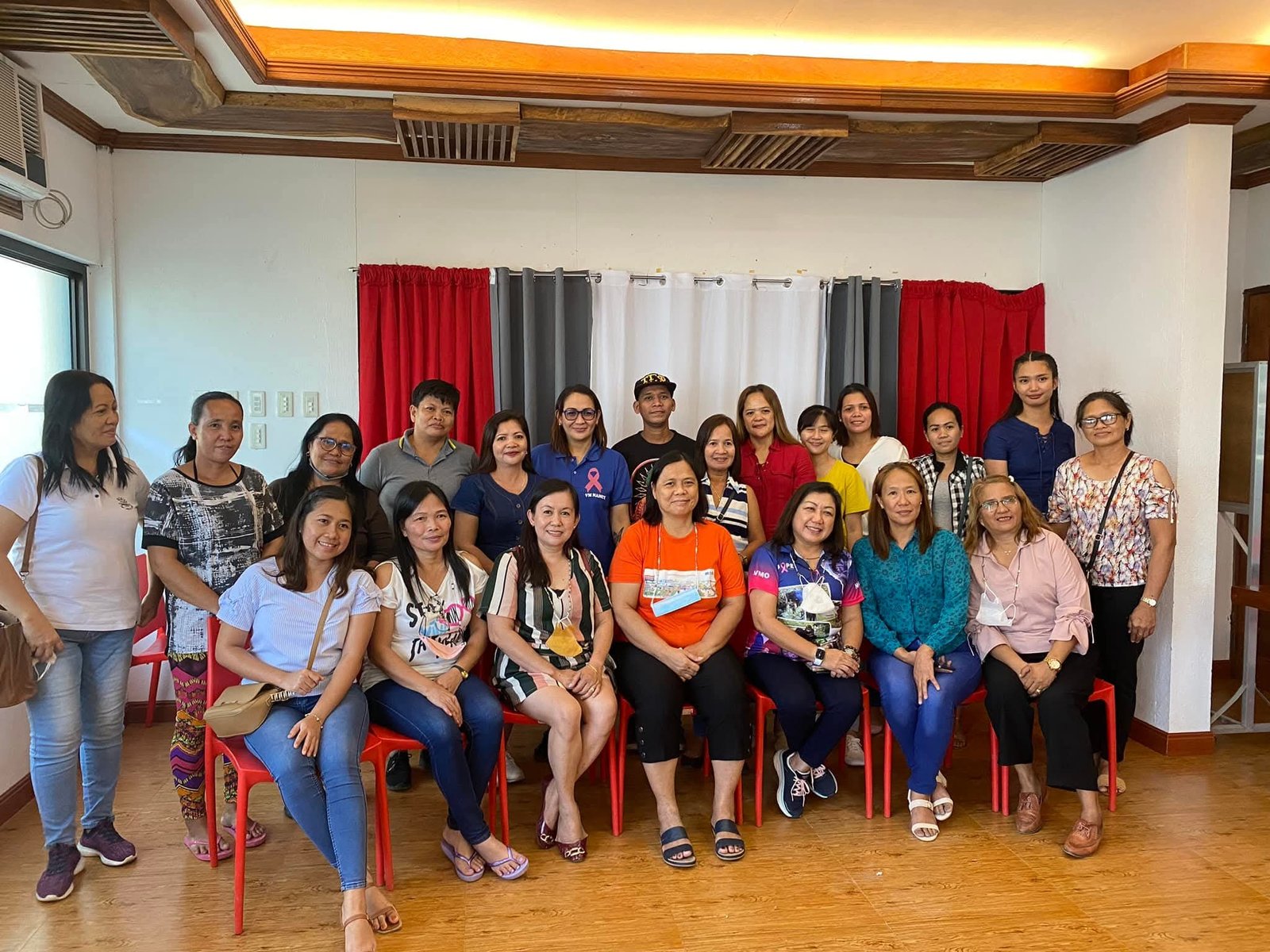
Nancy Socrates and her team lead, coordinate, and sustain these programs actively.
From legislation to local implementation, they work closely with community members, health workers, and partner NGOs to ensure each project meets local needs and creates lasting change.
Many rural areas in Palawan face low-income farming, idle land use, and limited access to sustainable livelihood options.
Communities vulnerable to climate risks often lack practical income alternatives.
The Bamboo Industry Development Program began as a local ordinance to create a livelihood system that supports climate resilience and community ownership.
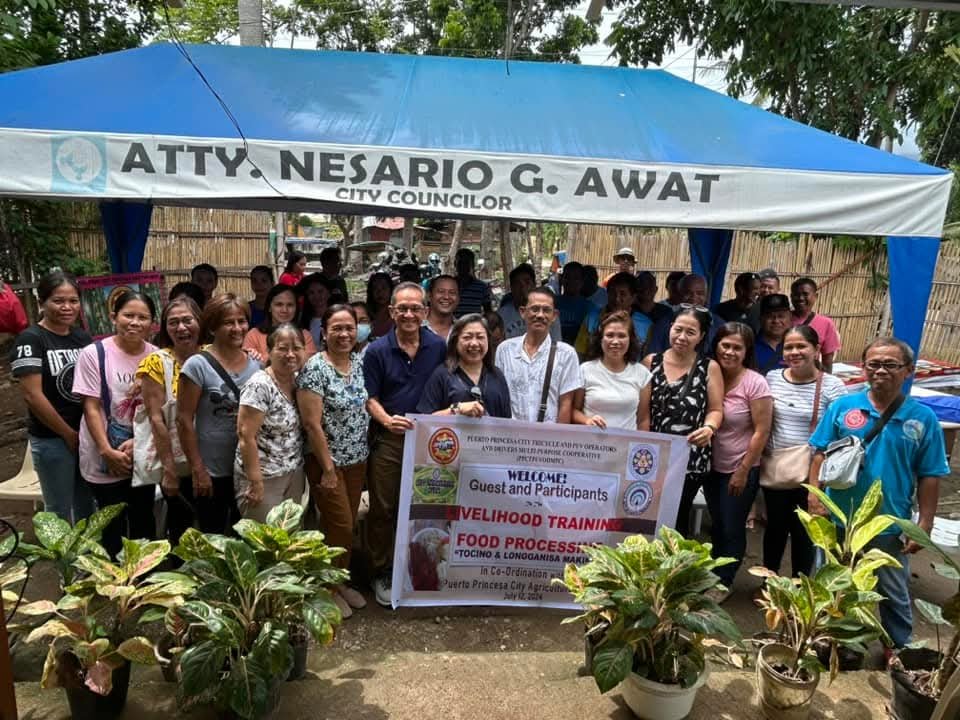
The city government built the Bamboo Park, where locals receive training to plant, maintain, and process engineered bamboo.
The program planted more than 5,000 bamboo seedlings.
Families in at least three barangays now earn income from bamboo cultivation. They rehabilitated idle lands and gained skills through training led by the City Agriculture Office.
Charity institutions like the Palawan NGO Network Inc. (PNNI) have studied the program as a best practice model in sustainable livelihood and environmental integration.
The Philippine Bamboo Industry Development Council (PBIDC) recognized the initiative and Palawan News profiled it. The program aligns with the Philippine Bamboo Industry Development Roadmap and supports the DENR Convergence Program for poverty reduction and climate solutions.
Citation: Palawan News, May 2023; PBIDC Circulars 2022–2024; DTI-BOI Roadmap; DENR Convergence Report 2024
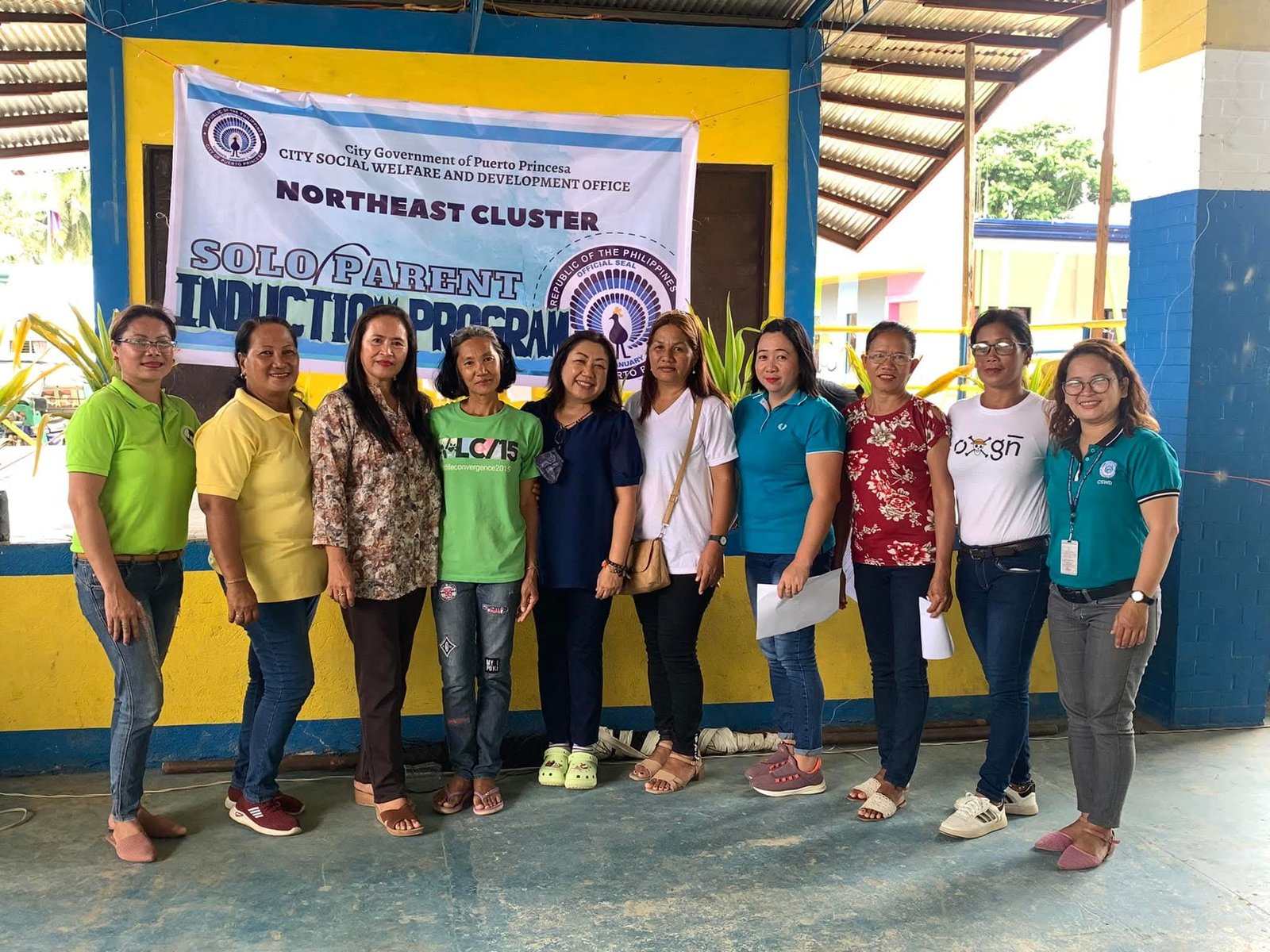
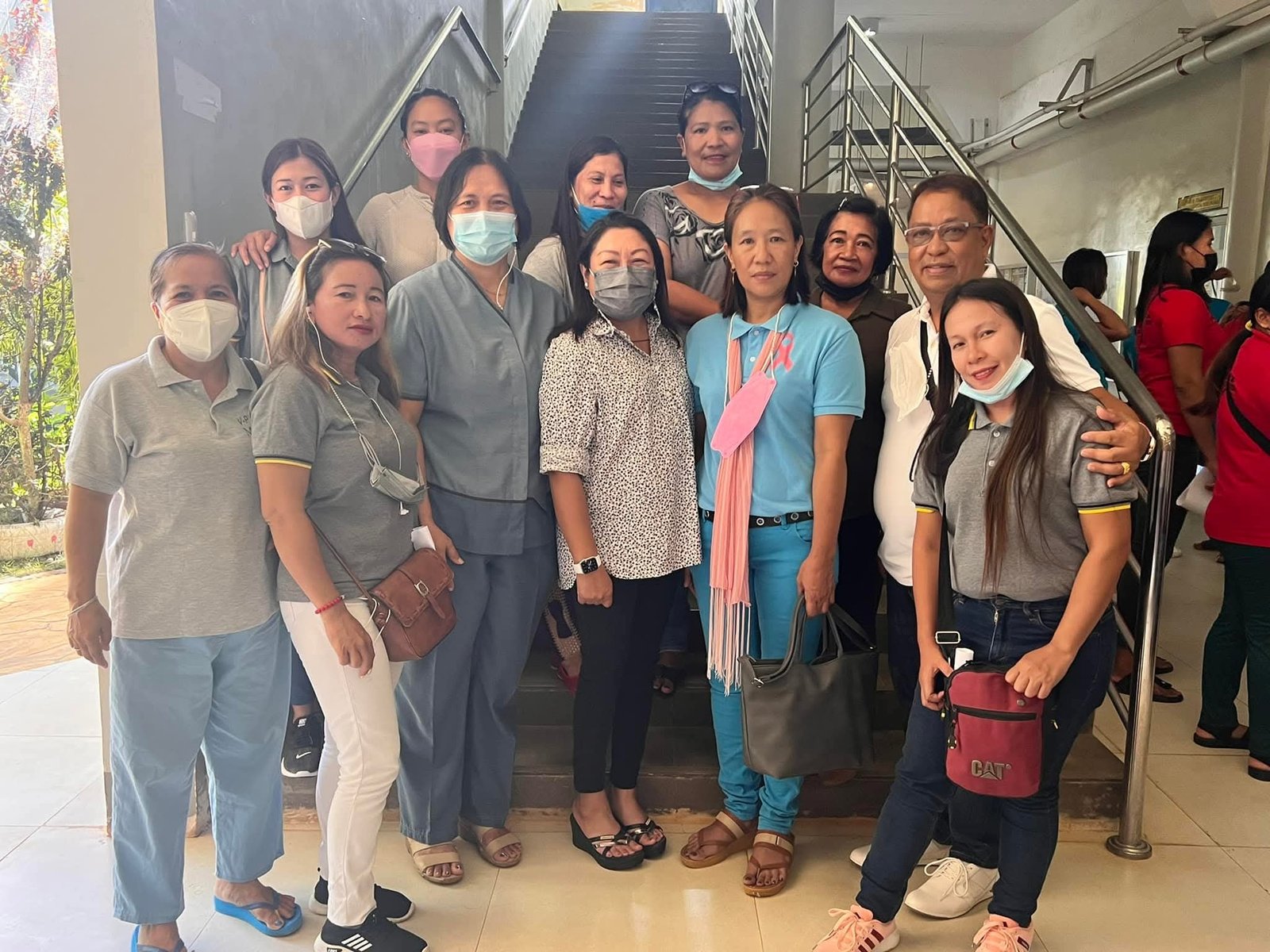
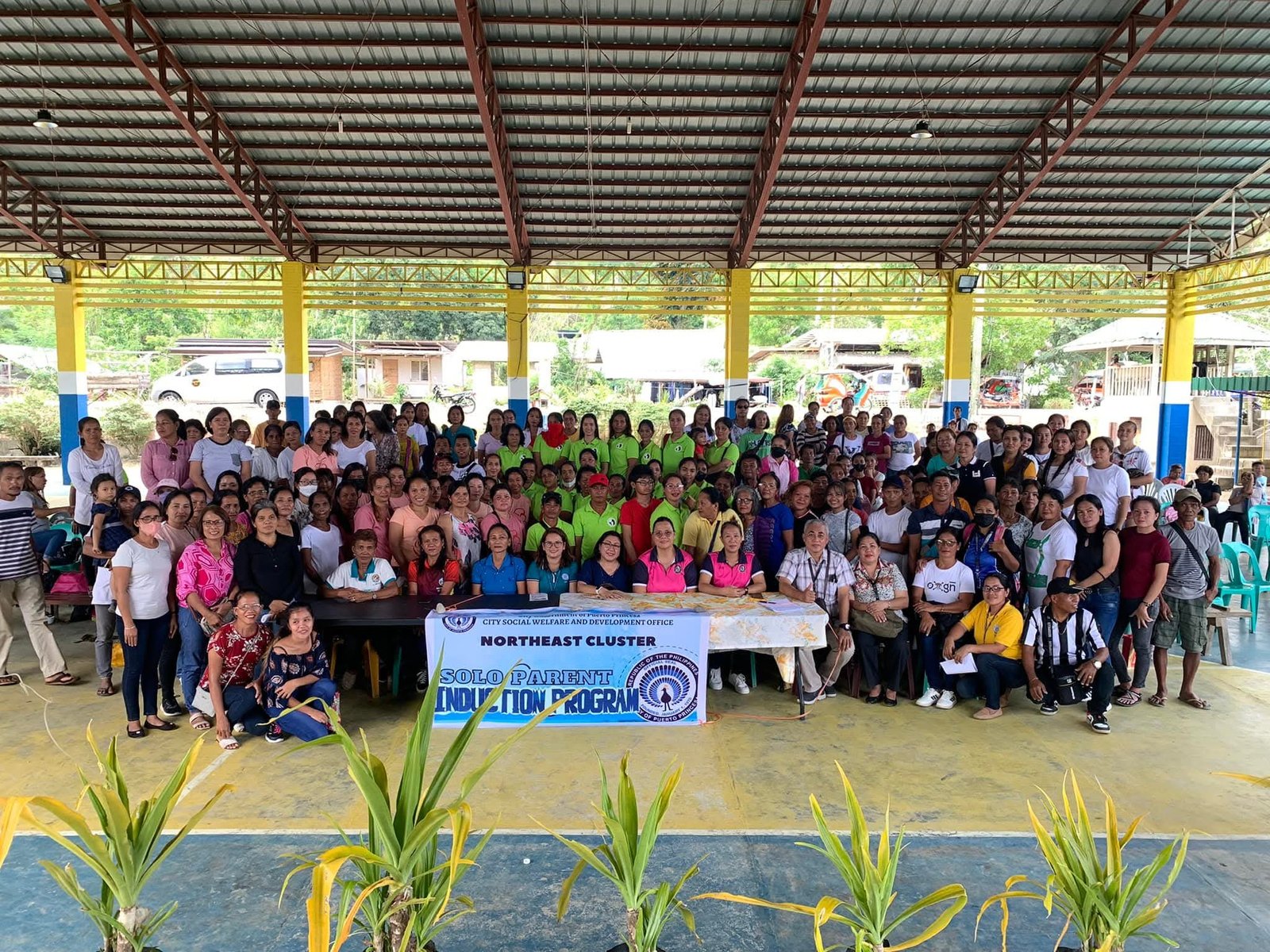
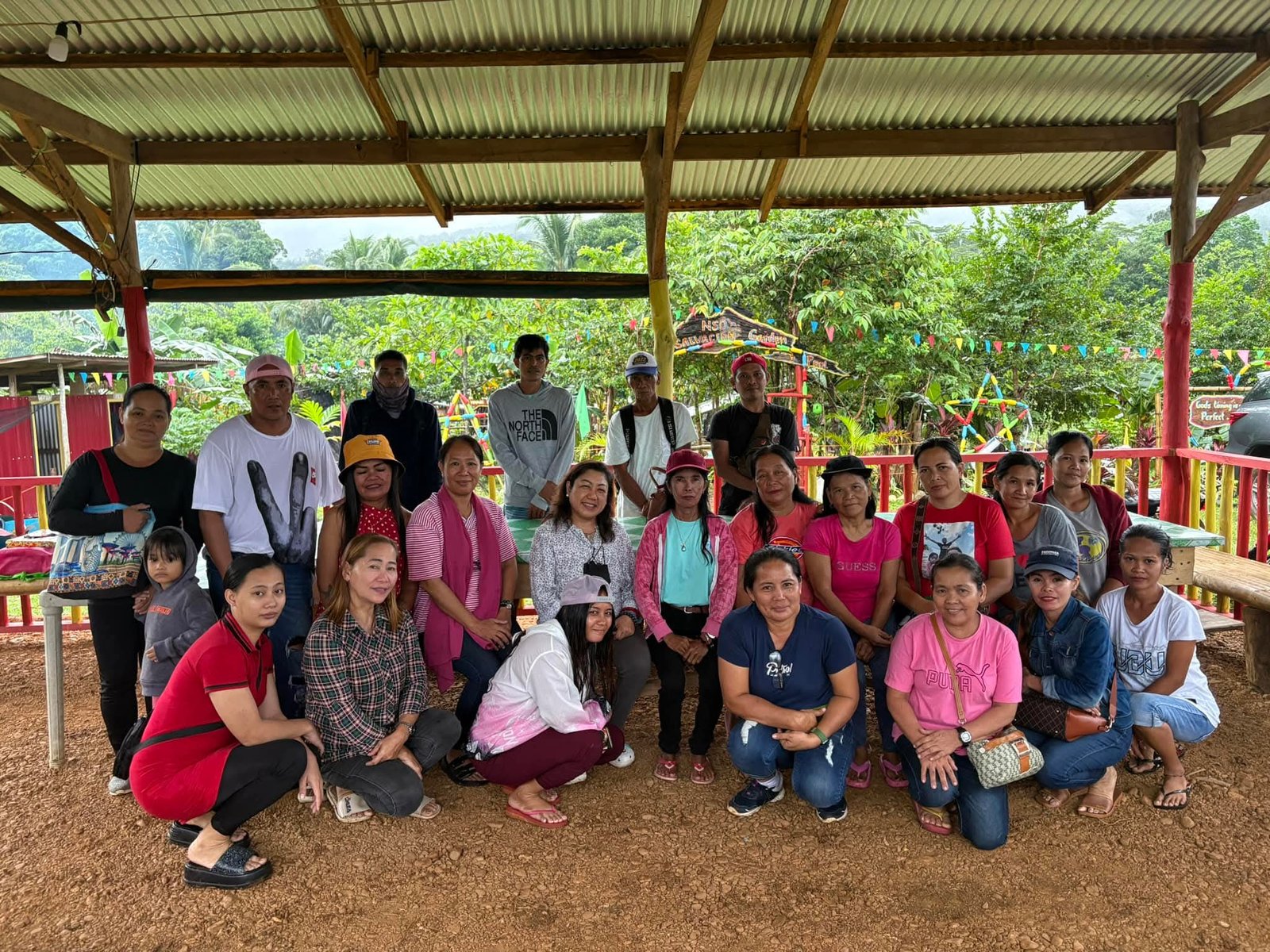
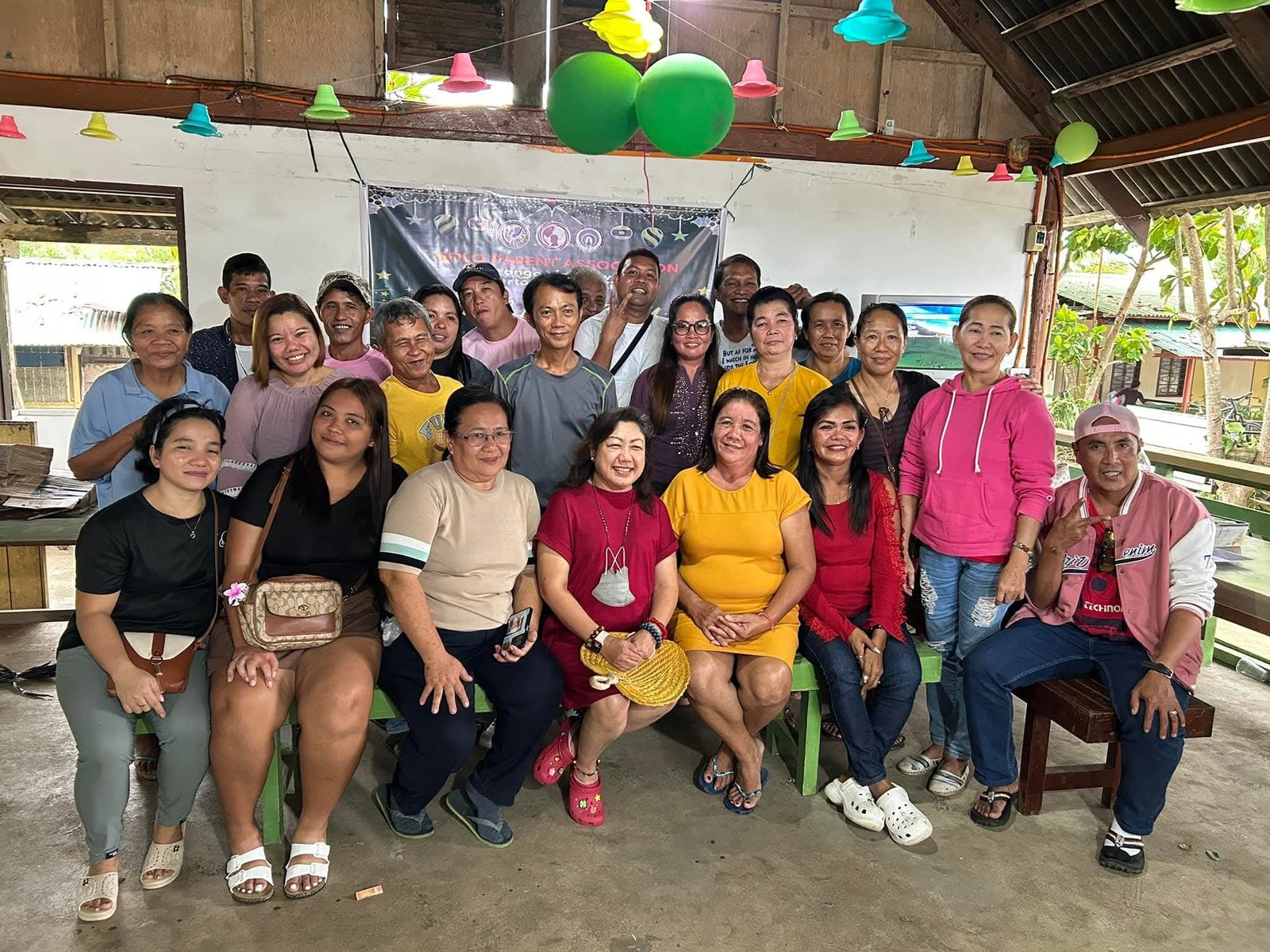
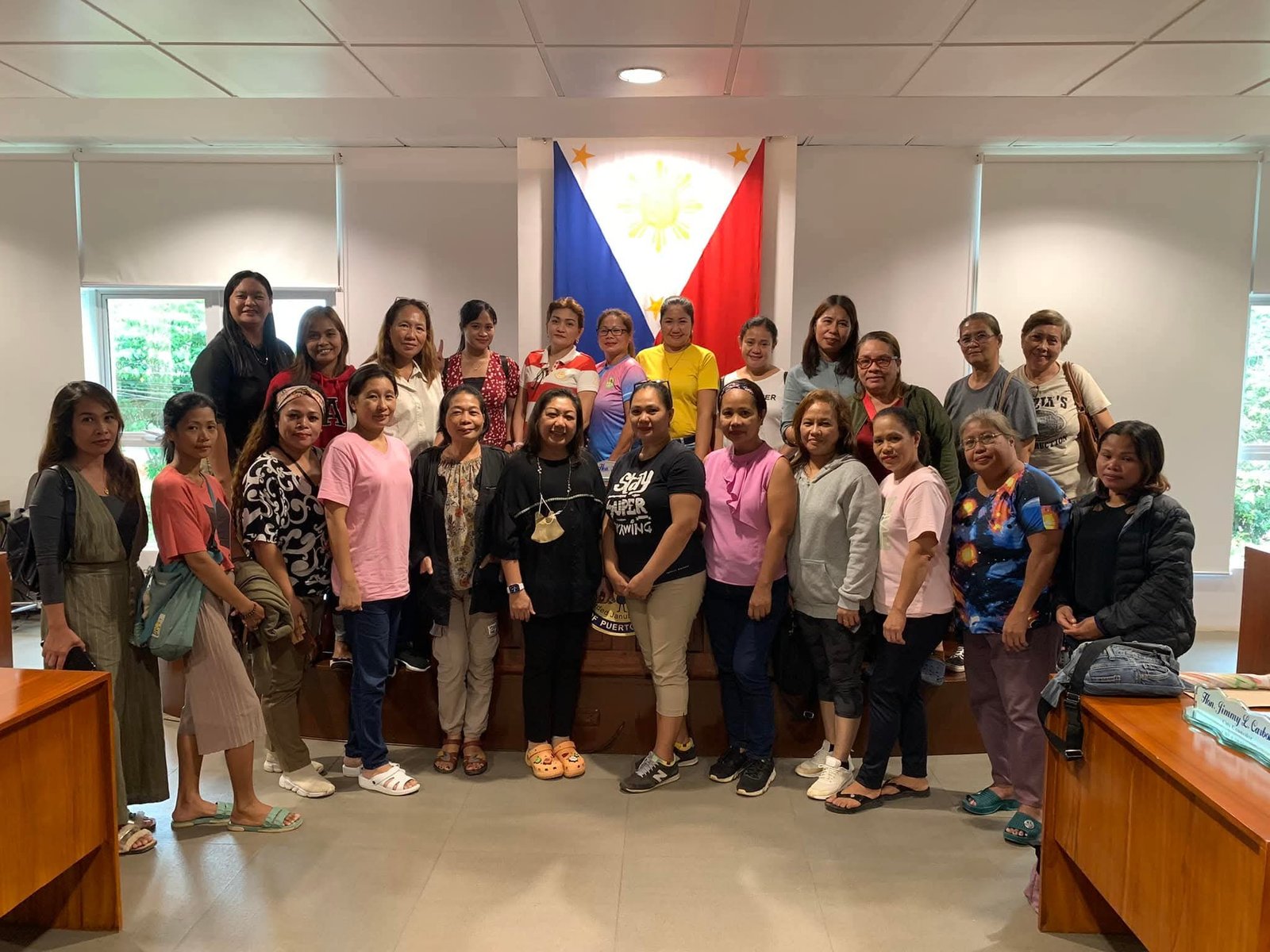
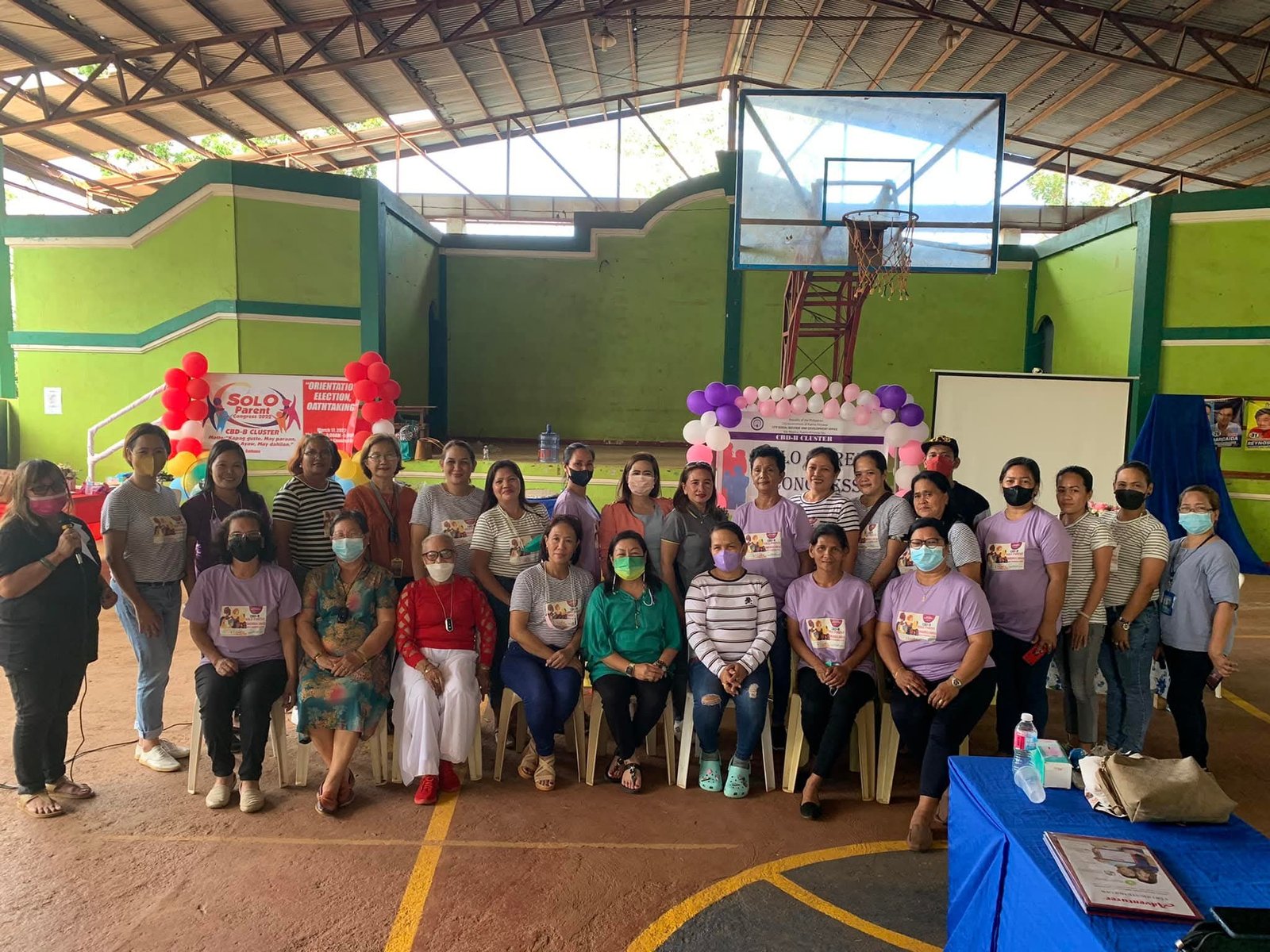
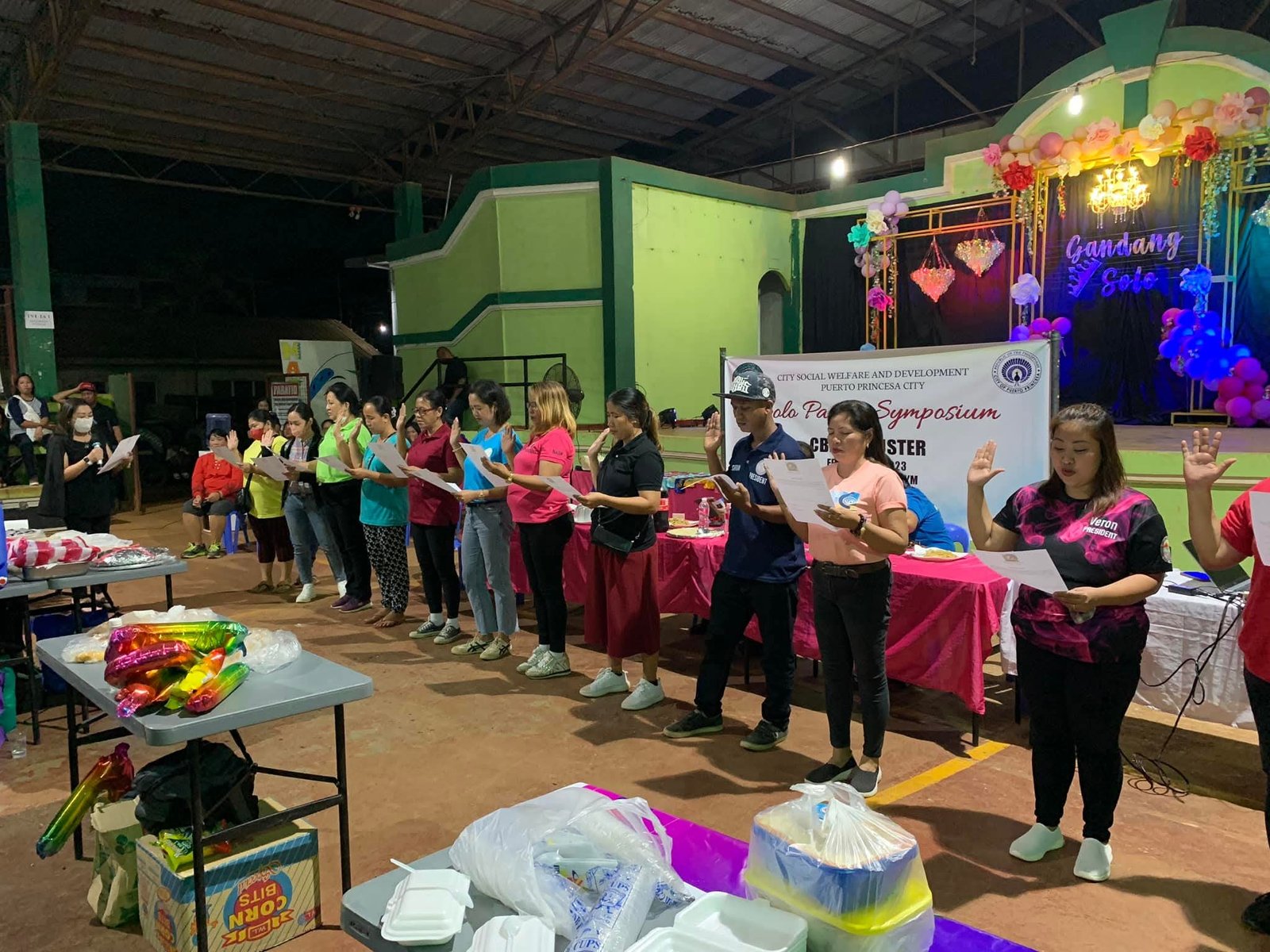
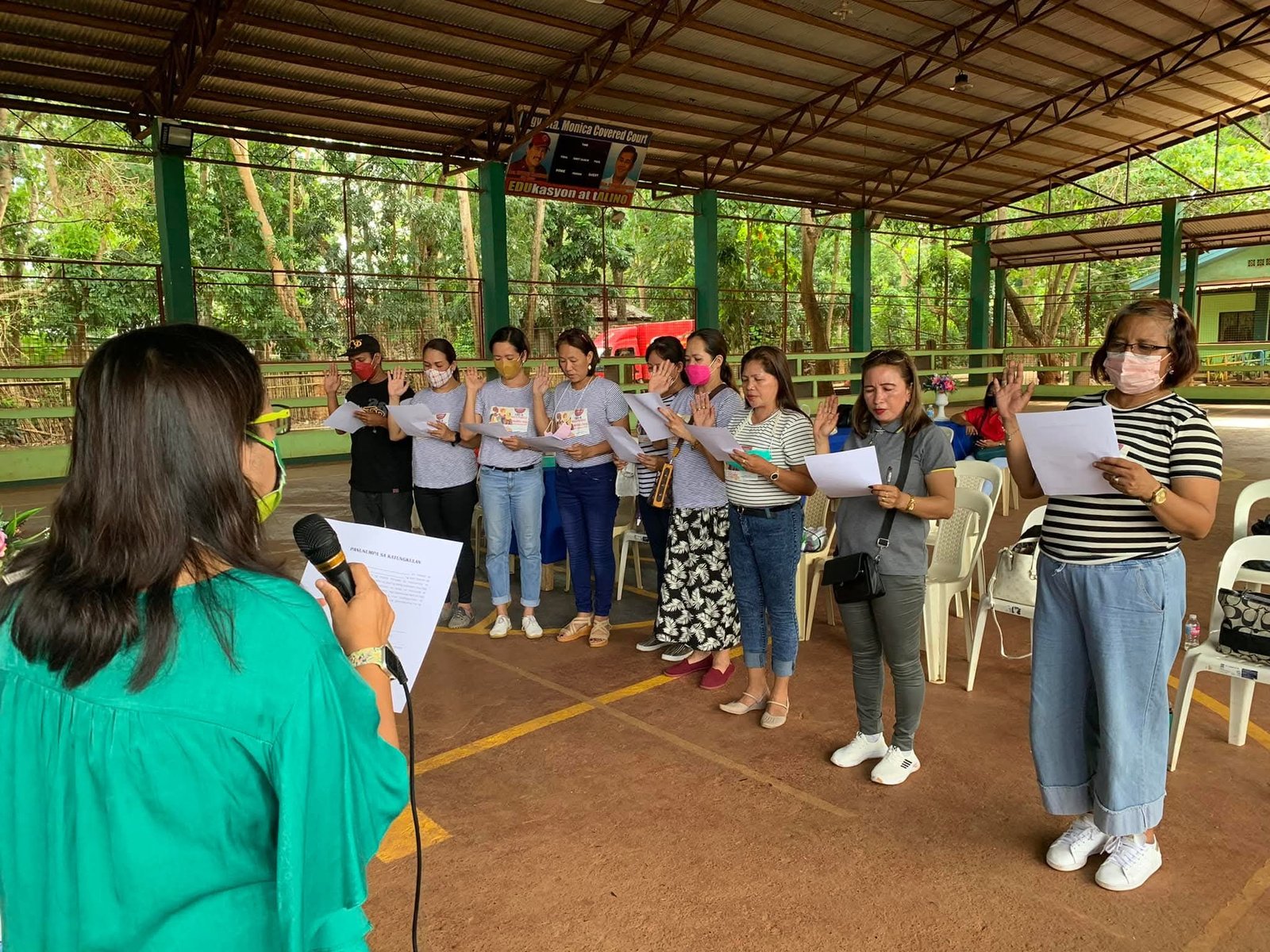
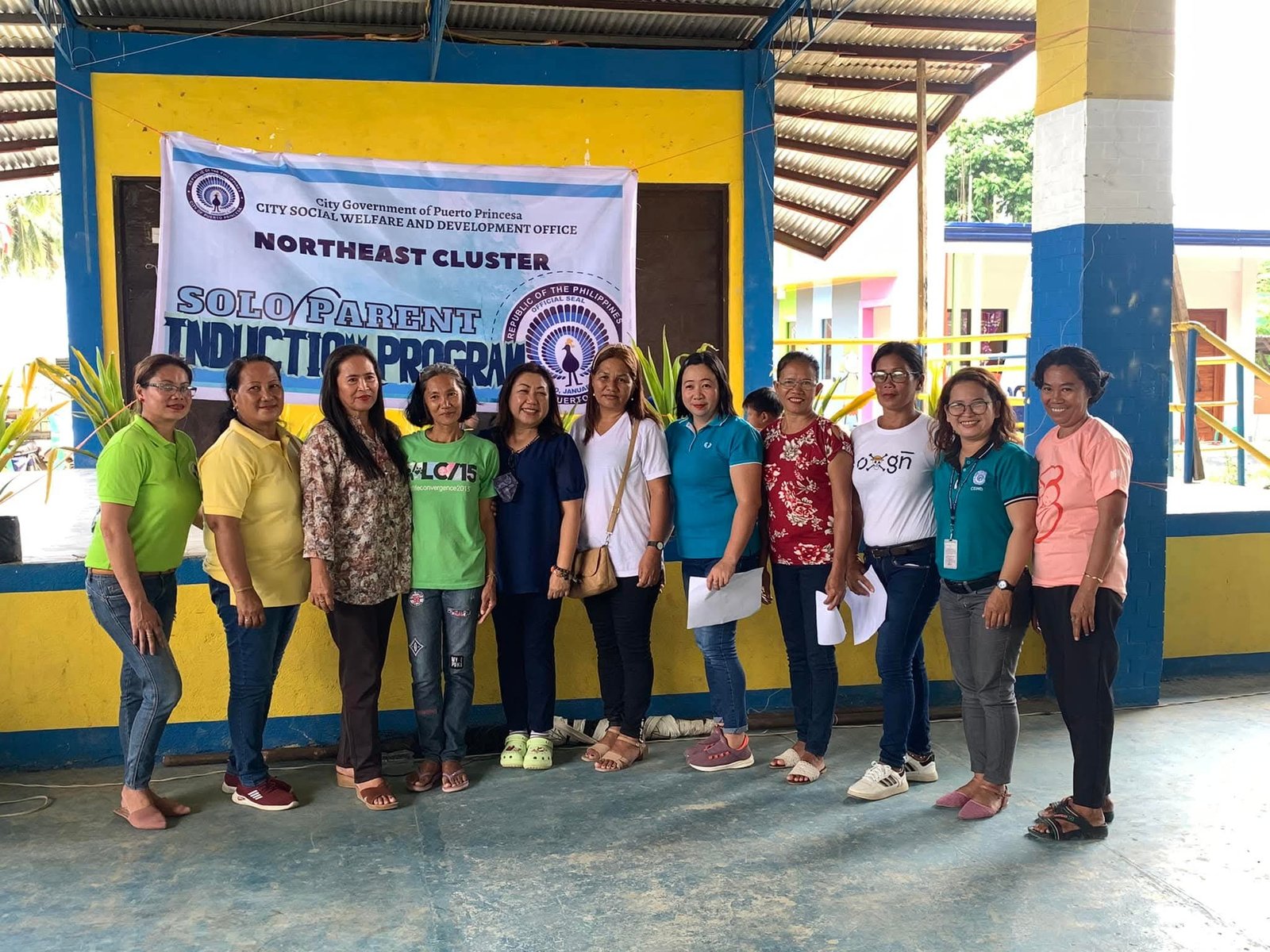
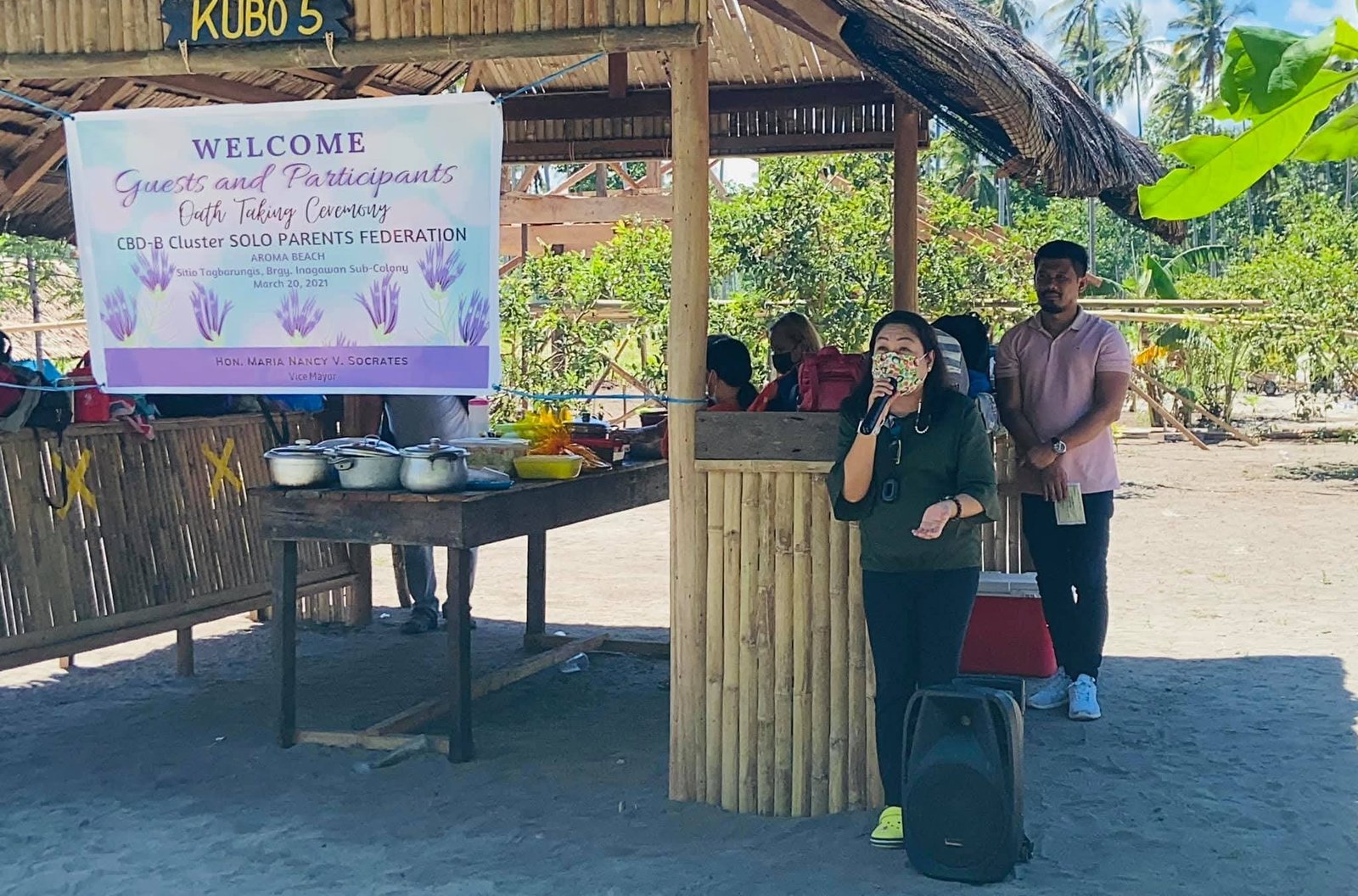
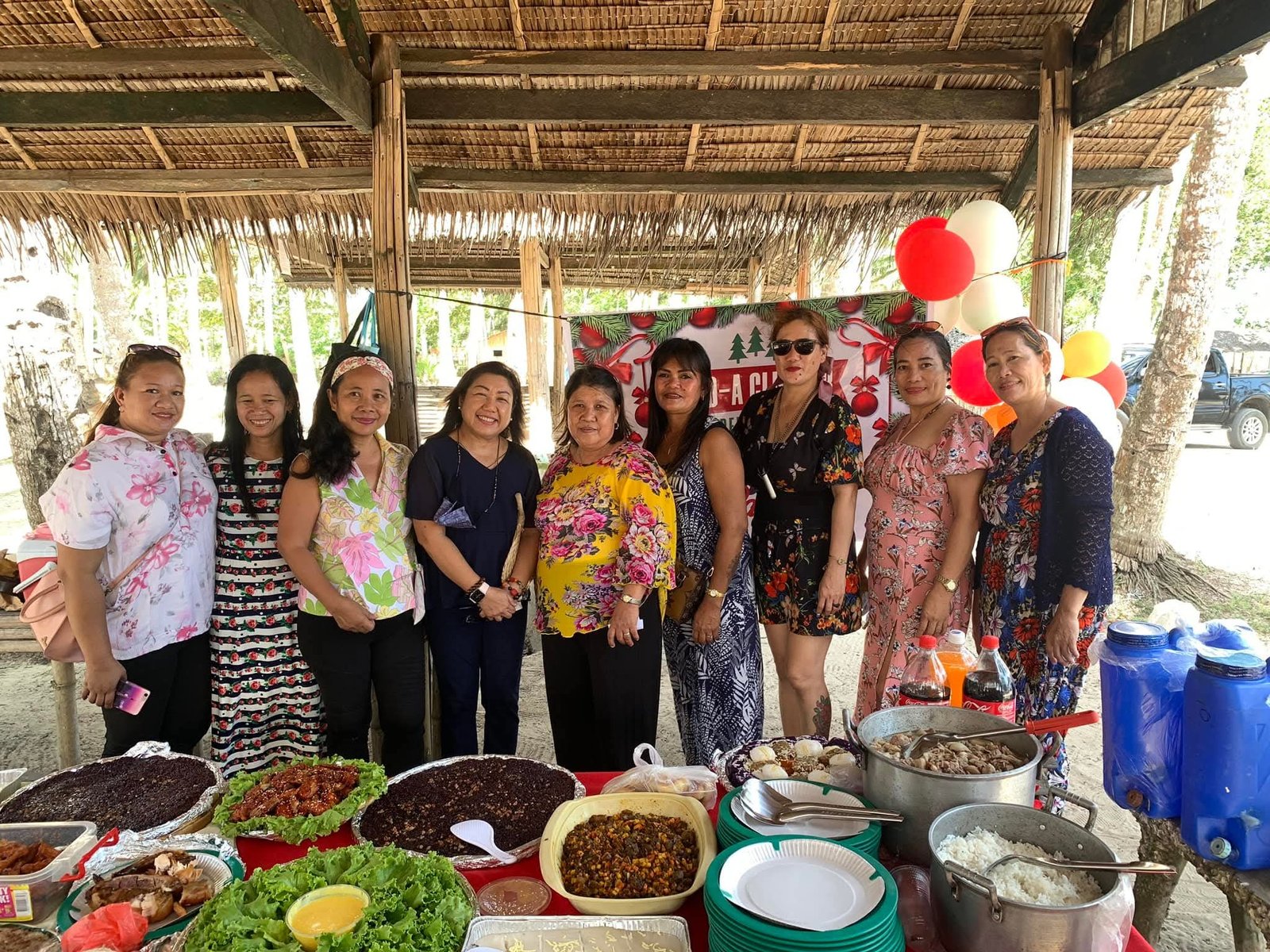
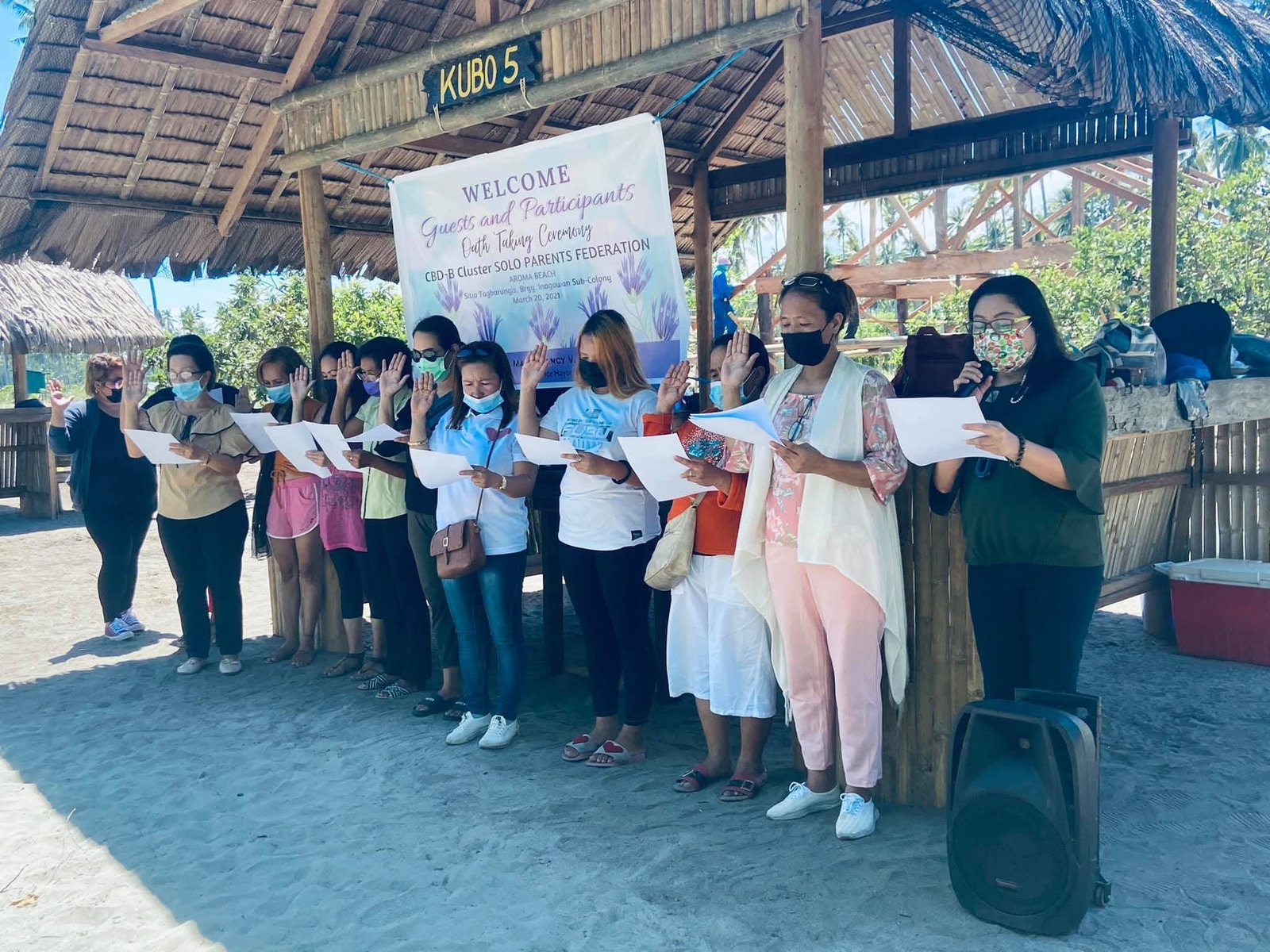
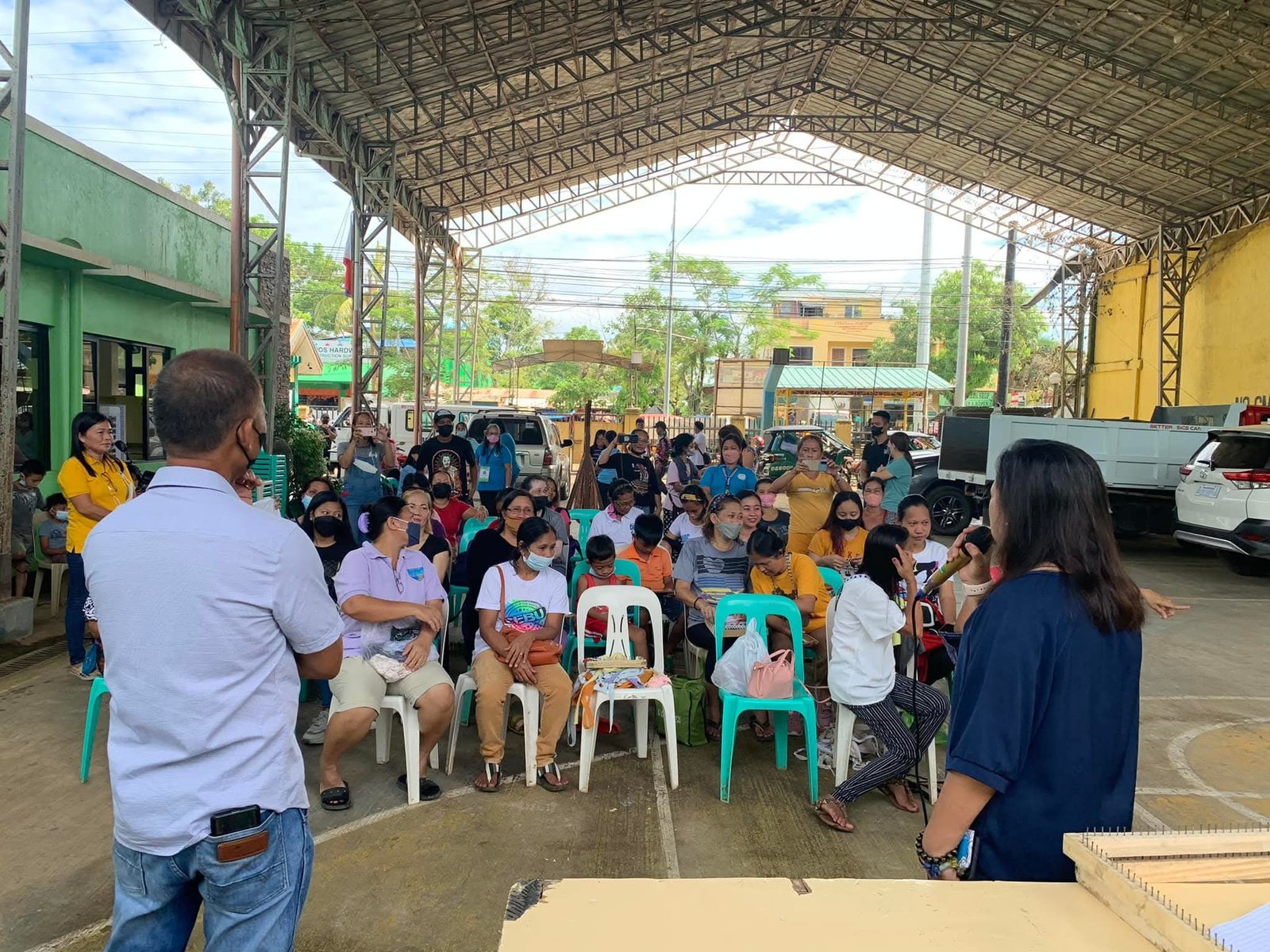
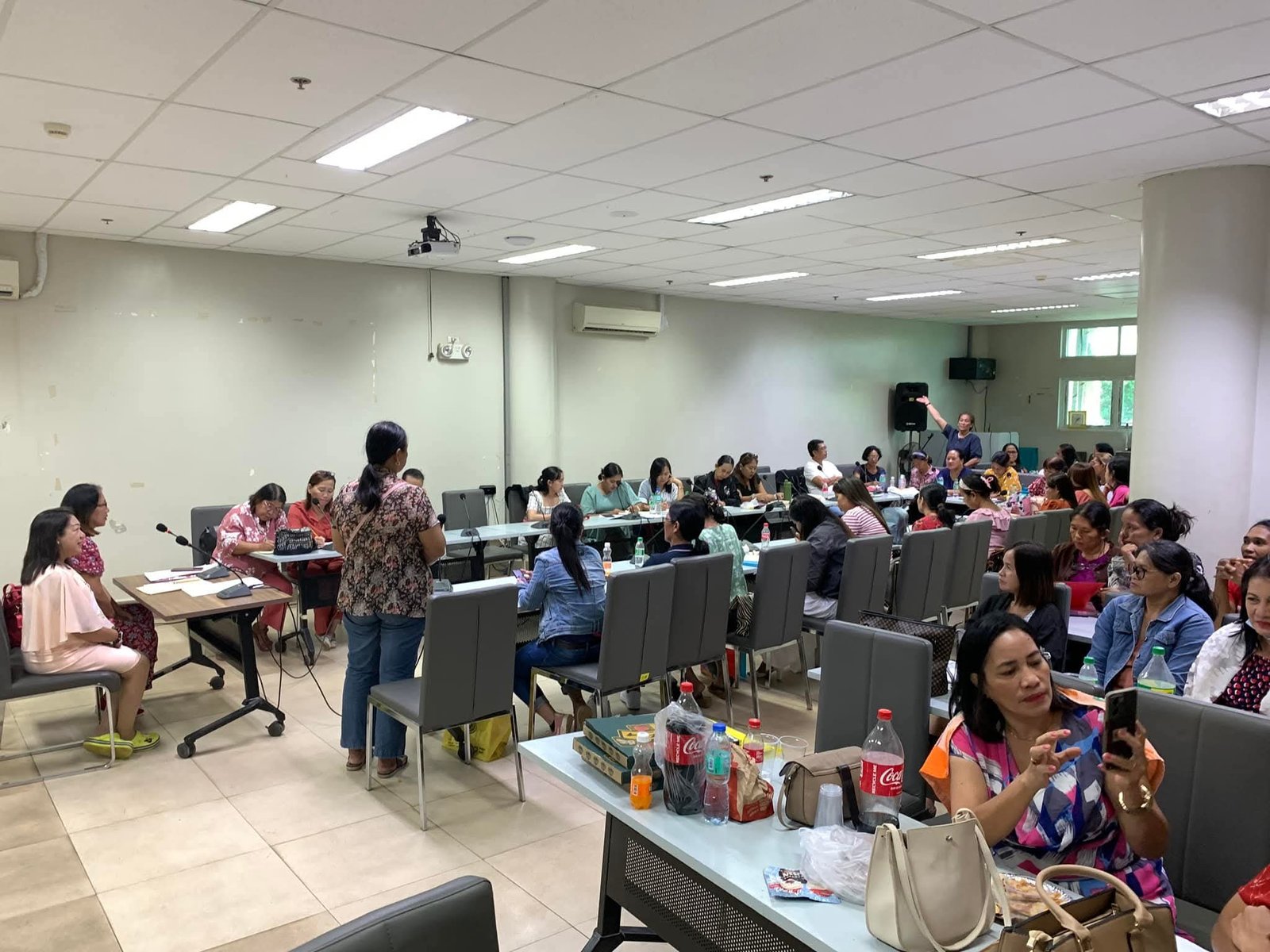
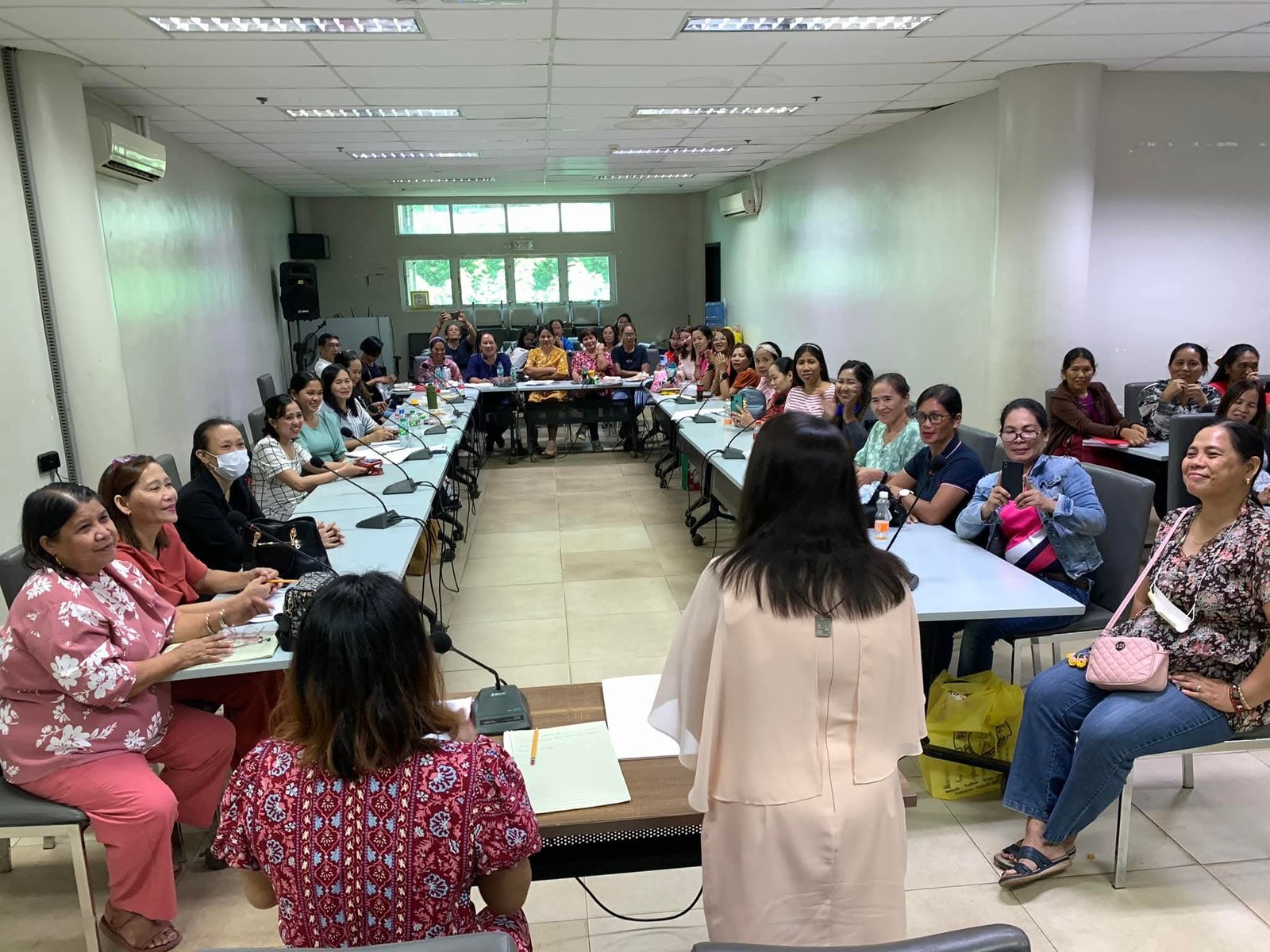
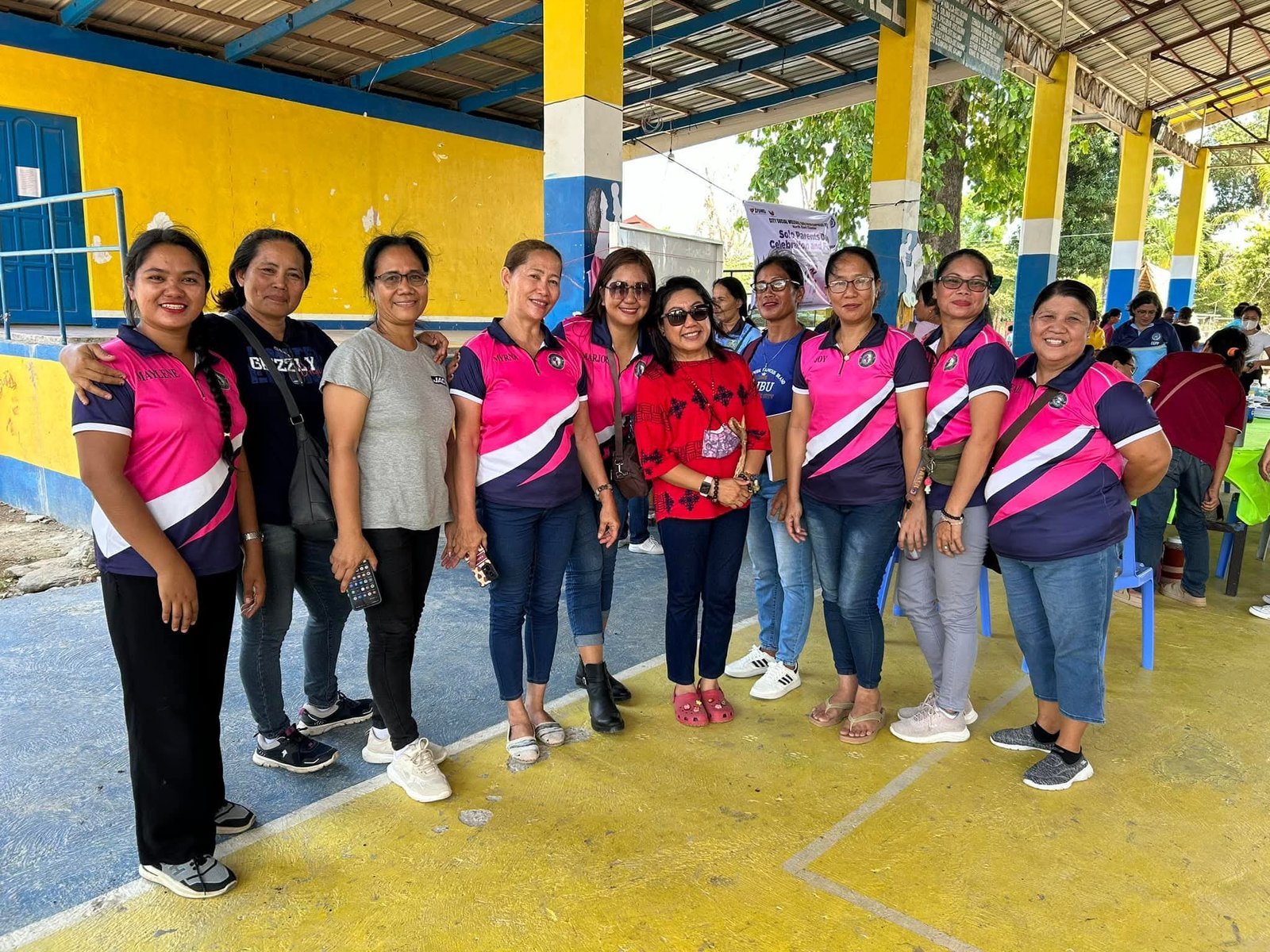
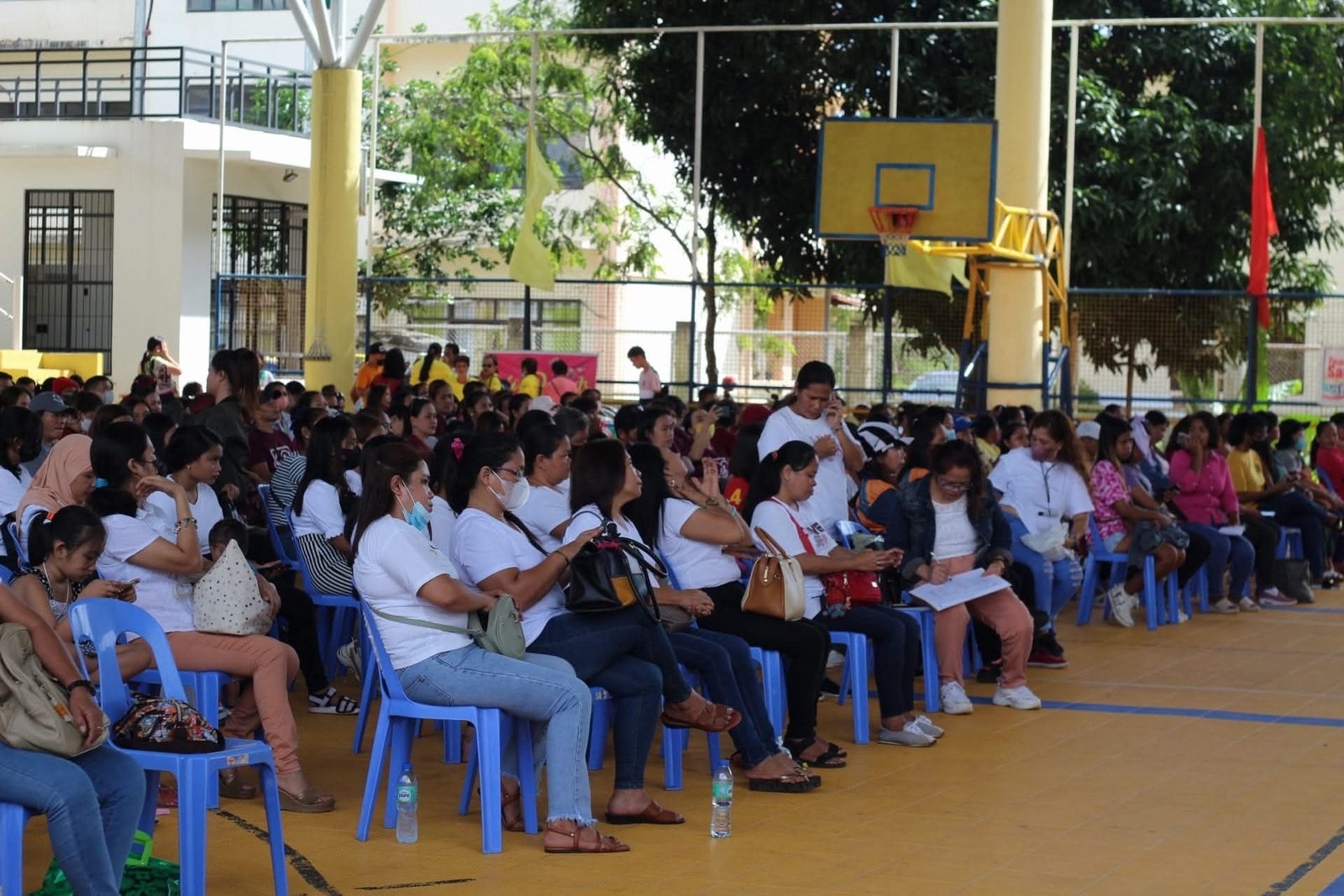
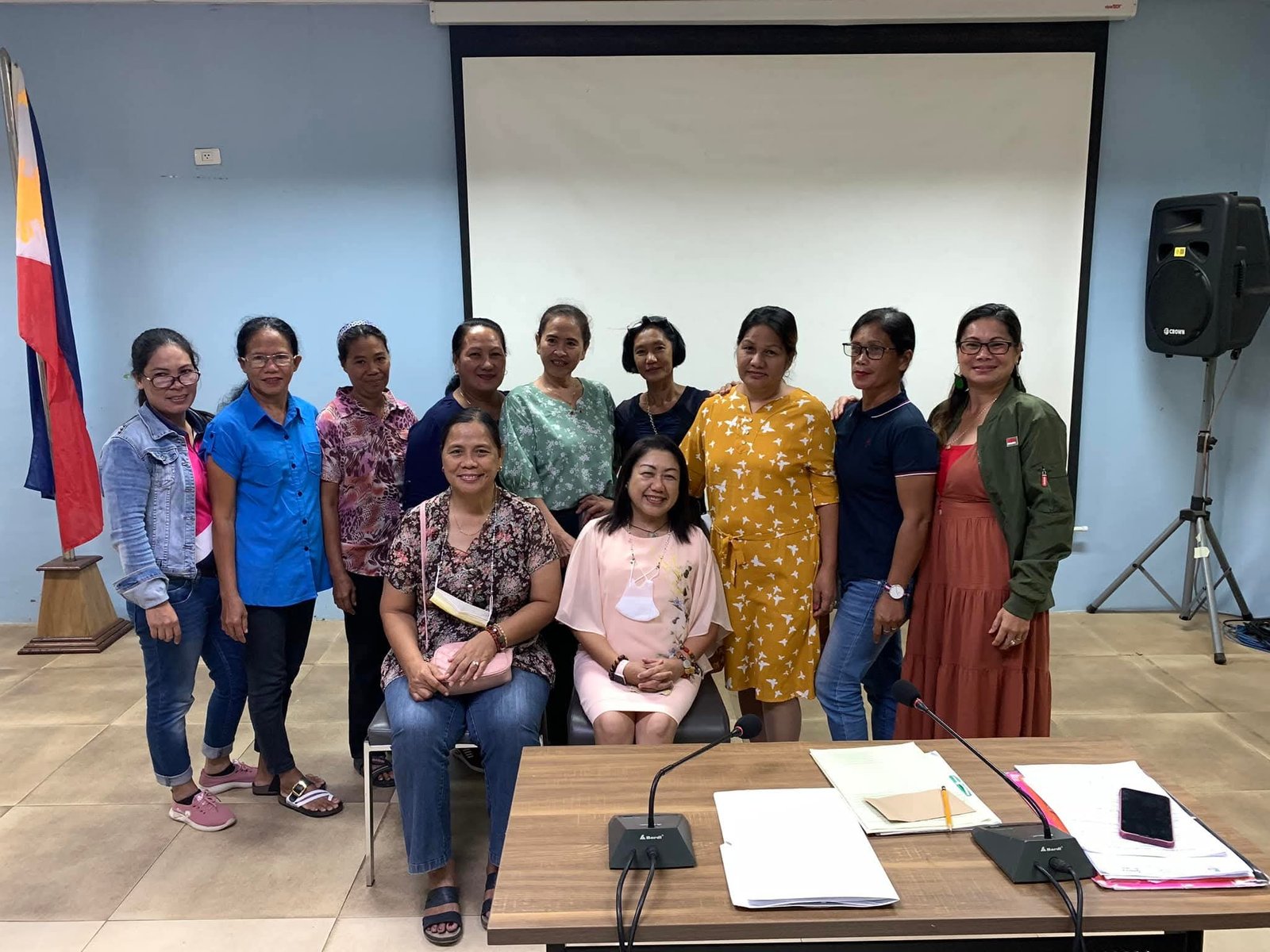
Solo parents in Palawan face major barriers: limited childcare, unstable income, and lack of legal protection.
Many struggle to balance parenthood and work without support.
To lighten the load, the team passed the Solo Parent Ordinance to guarantee benefits and protection for solo parents.
The ordinance provides daycare assistance, livelihood training, and health subsidies aligned with RA 11861.
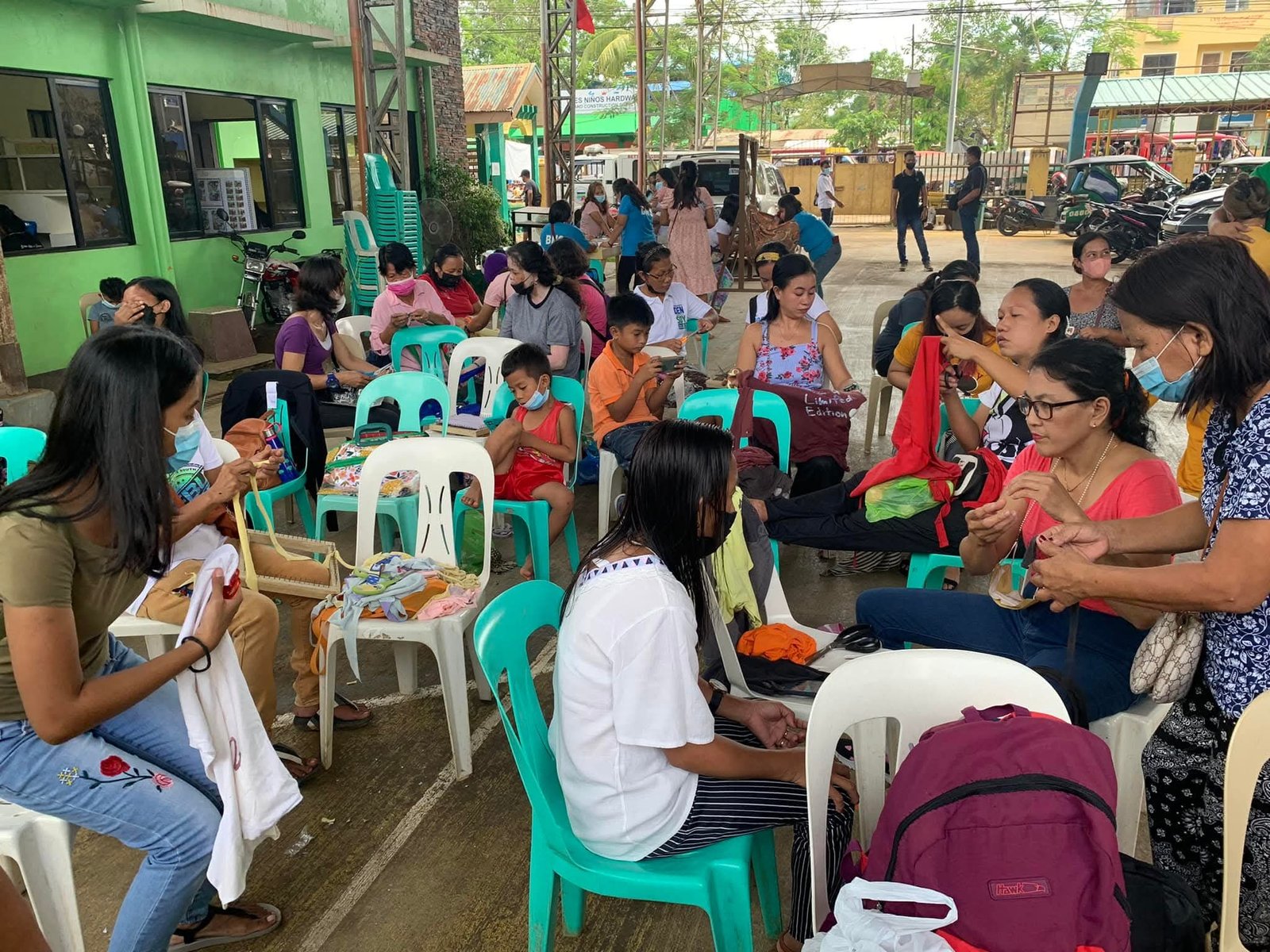
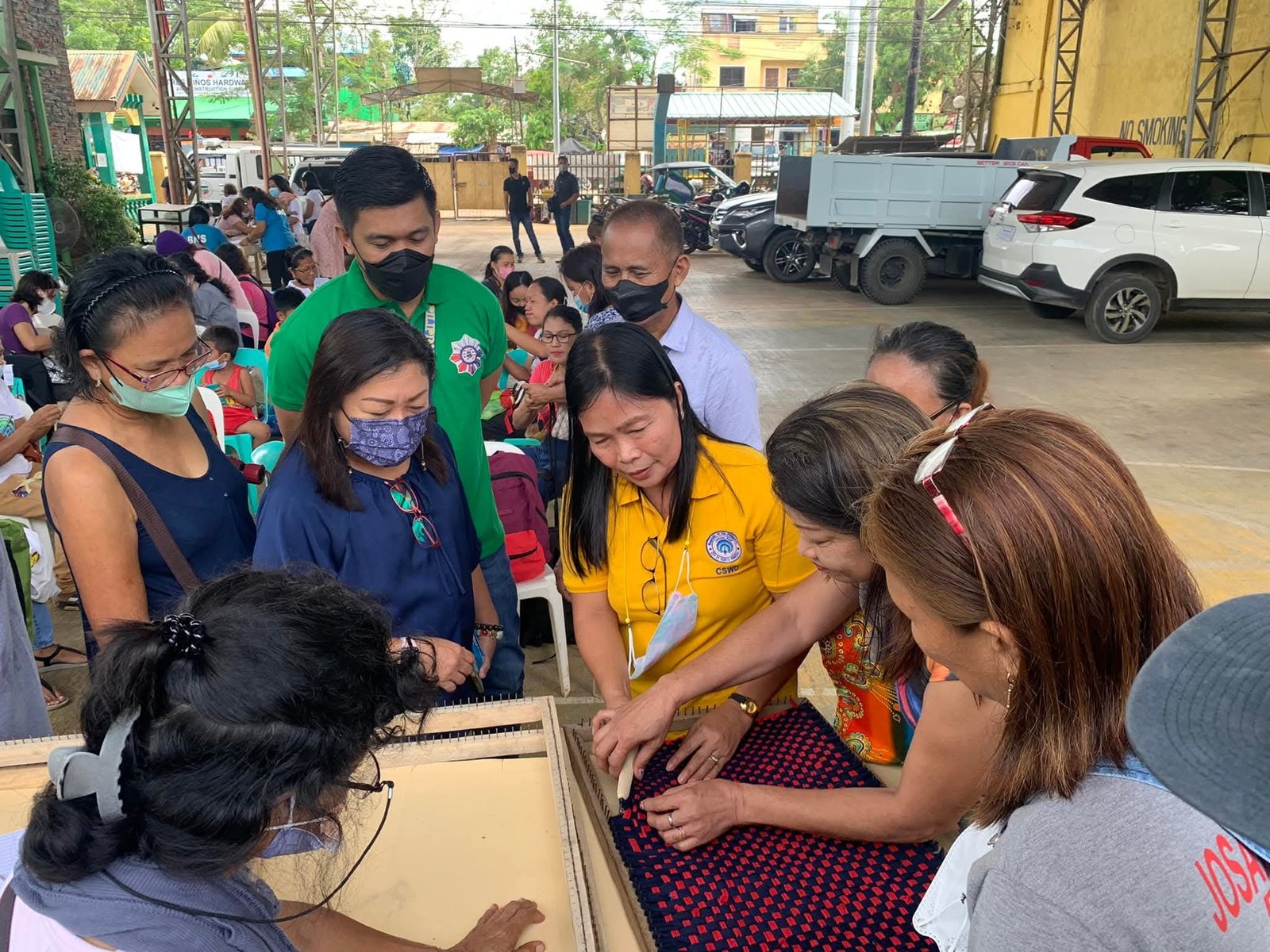
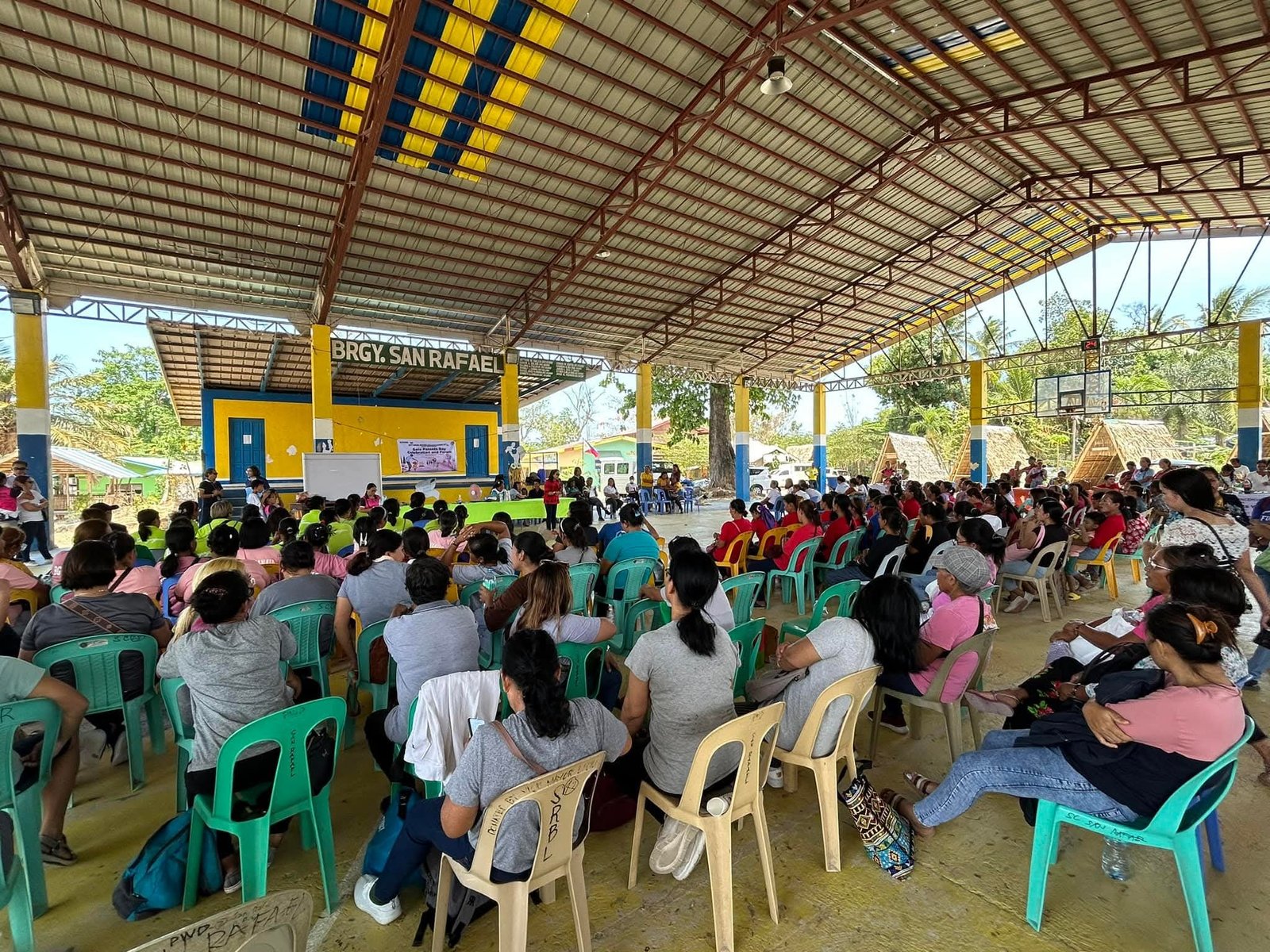
The city established support centers in five barangays. Dozens of solo mothers joined free livelihood and skills workshops.
Health clinics now offer solo-parent documentation services, making healthcare easier to access.
Many participants say they feel seen and supported by their local government.
The Department of Social Welfare and Development (DSWD) cited the ordinance as a model for local implementation.
It has helped over 8,000 solo parents and is under review for the annual GAD Regional Learning Exchange.
Citation: Palawan News – 8K Solo Parents Served; DSWD MIMAROPA Reports 2023; Palawan GAD Monitoring Unit
Many women in Palawan cannot access early cancer detection or treatment.
Distance, cost, and stigma prevent timely screenings, especially for breast and cervical cancer.
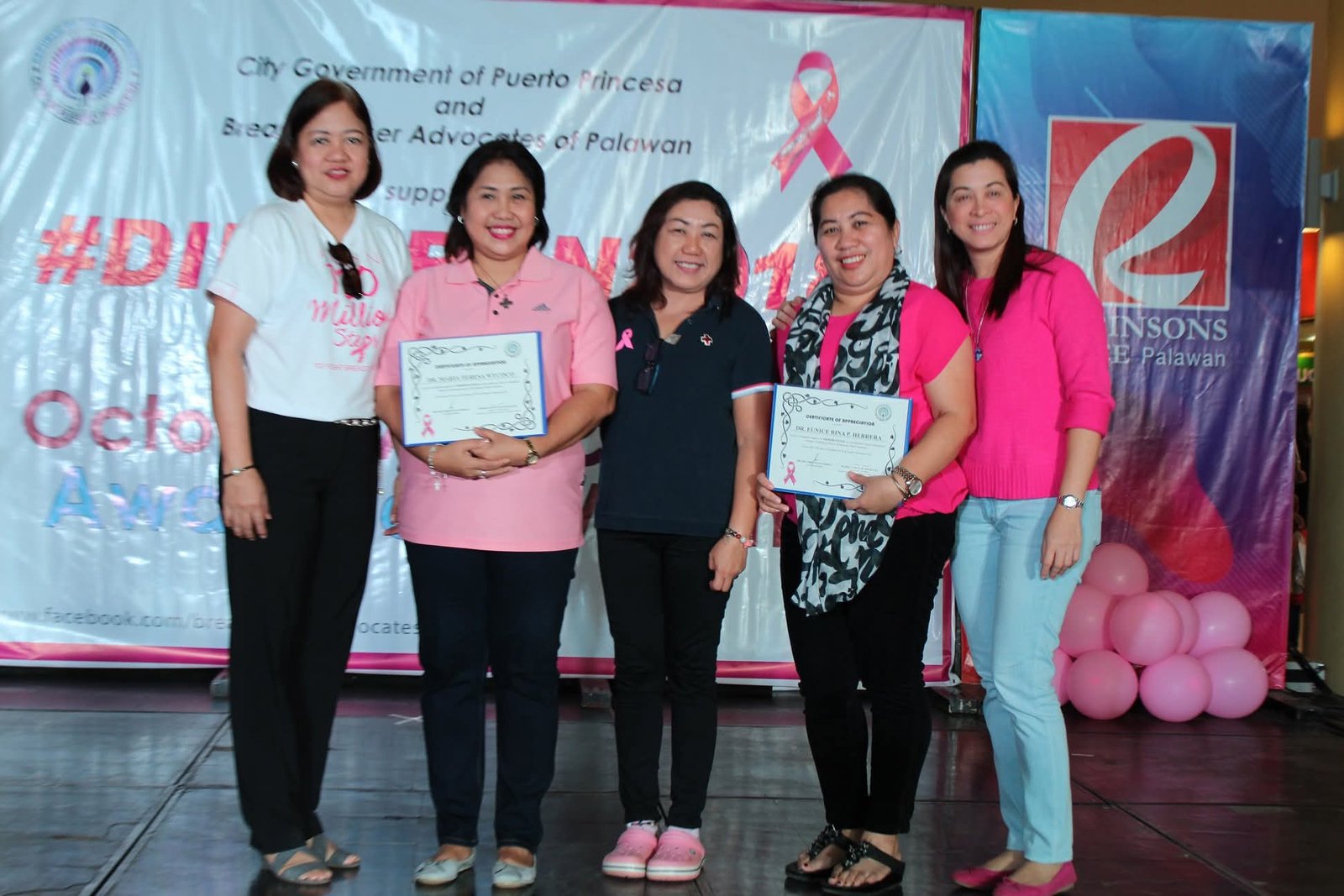
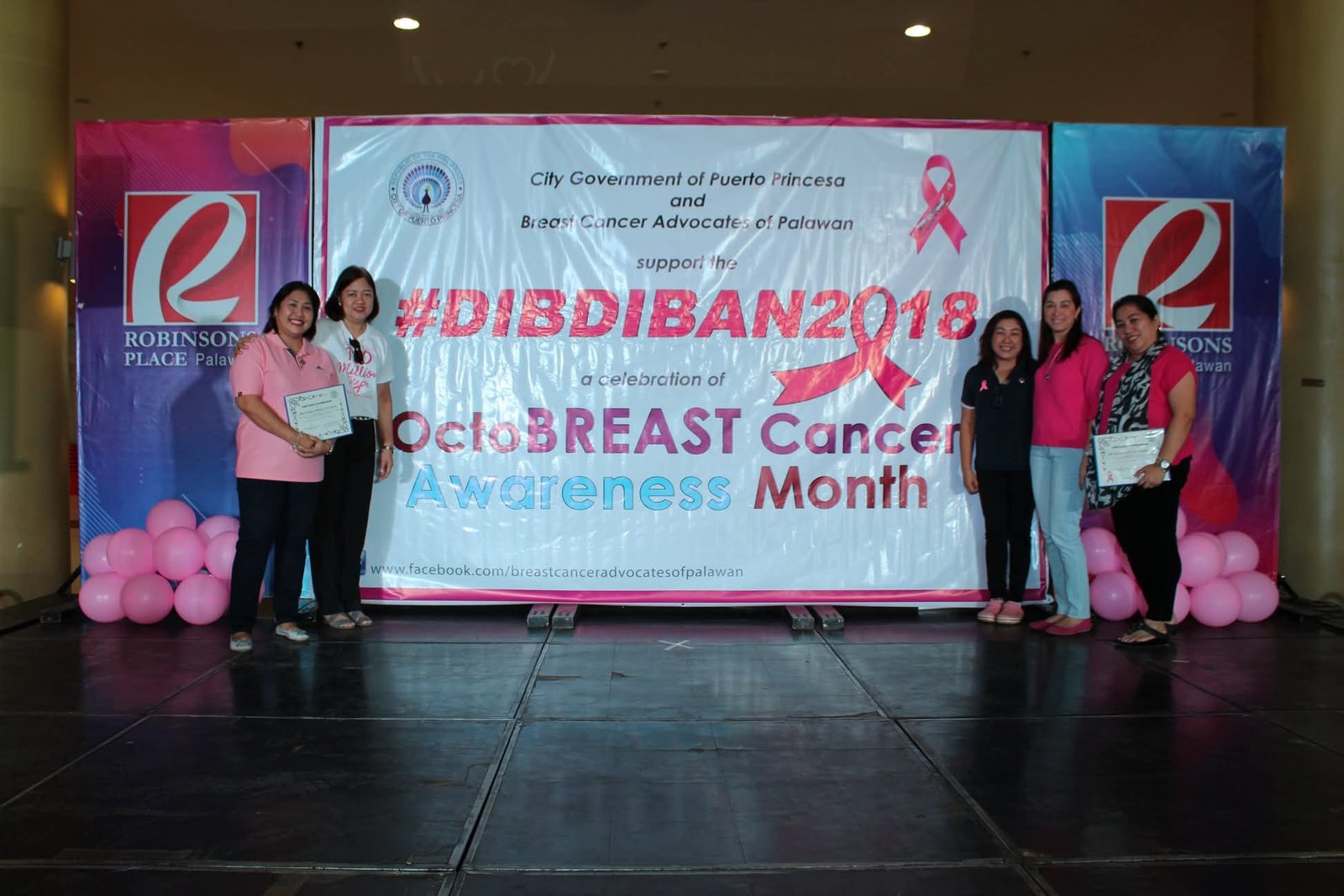
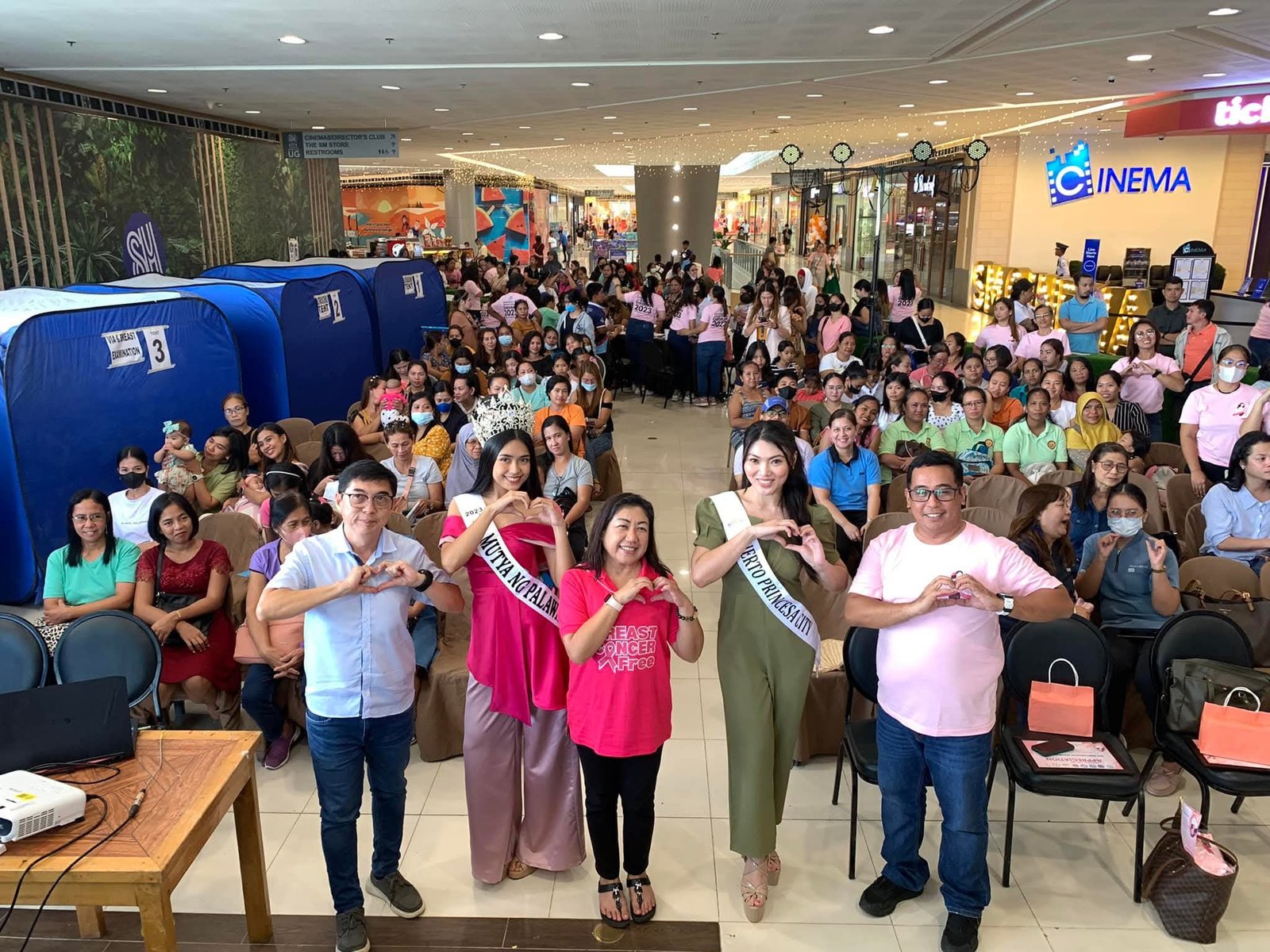
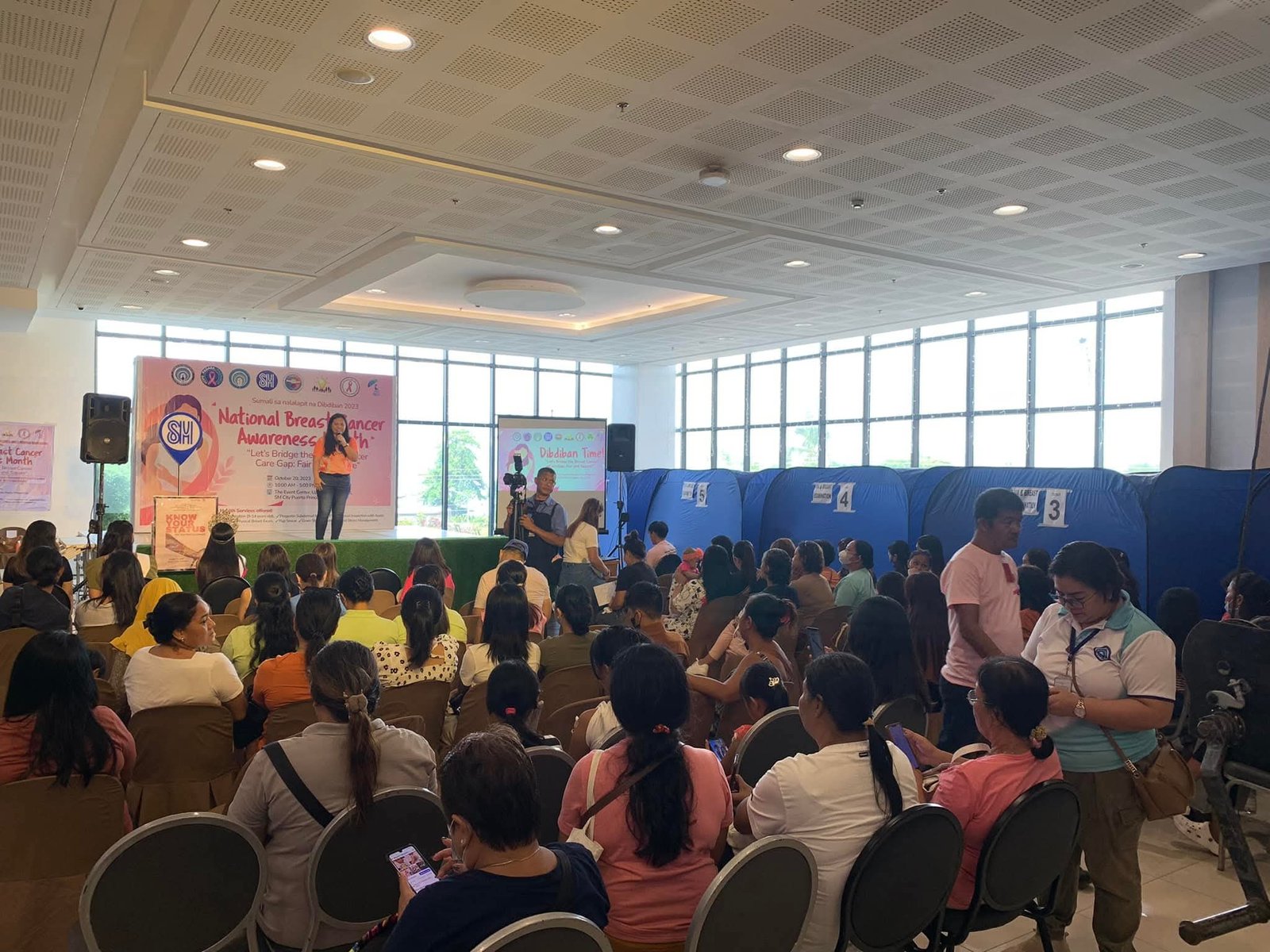
Nancy’s team launched the “DIBDIBAN” Breast Cancer Awareness initiative in partnership with the Palawan Medical Society and local NGOs.
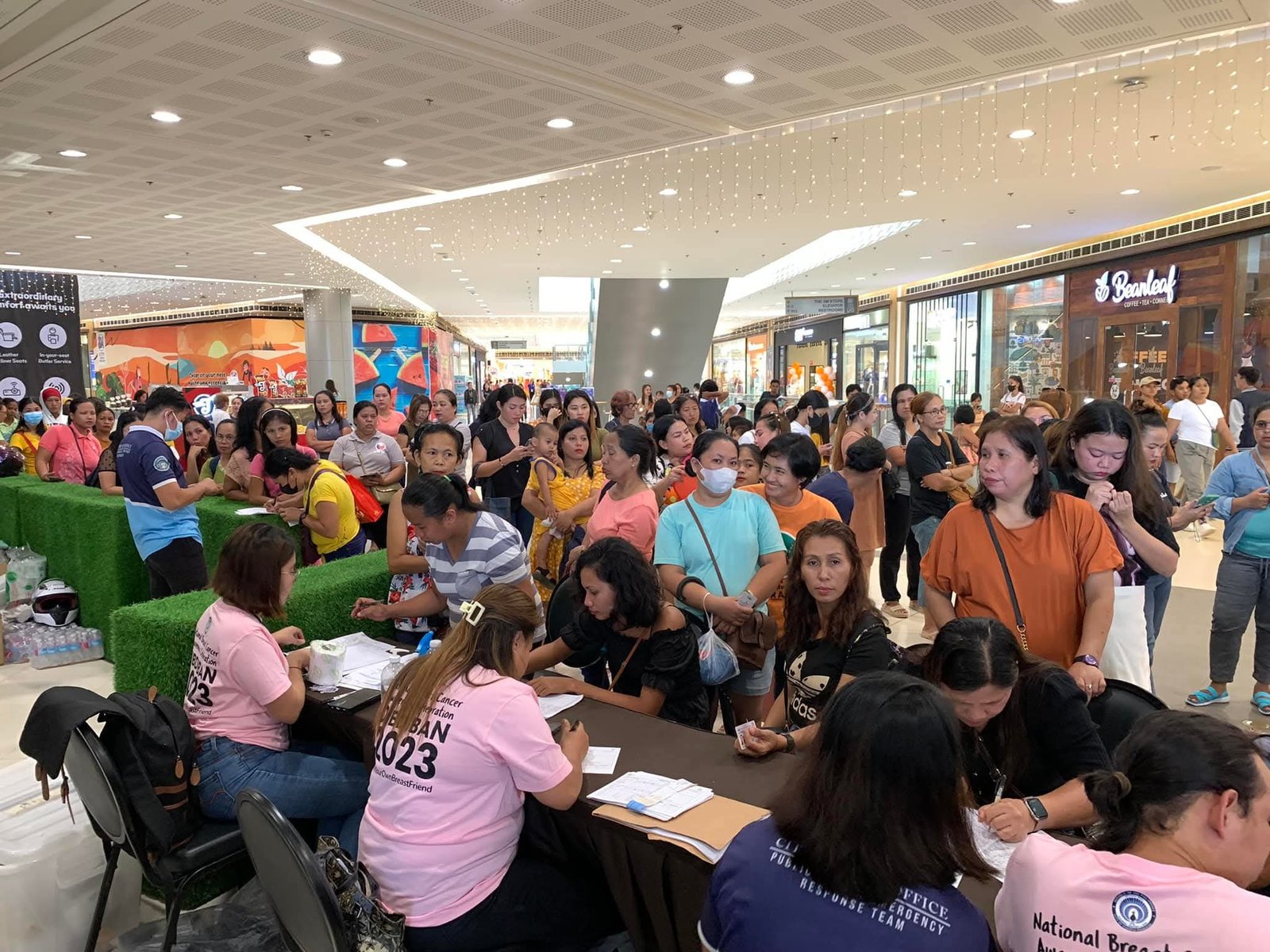
The program delivers free breast exams, ultrasound screenings, and educational campaigns directly to barangays.
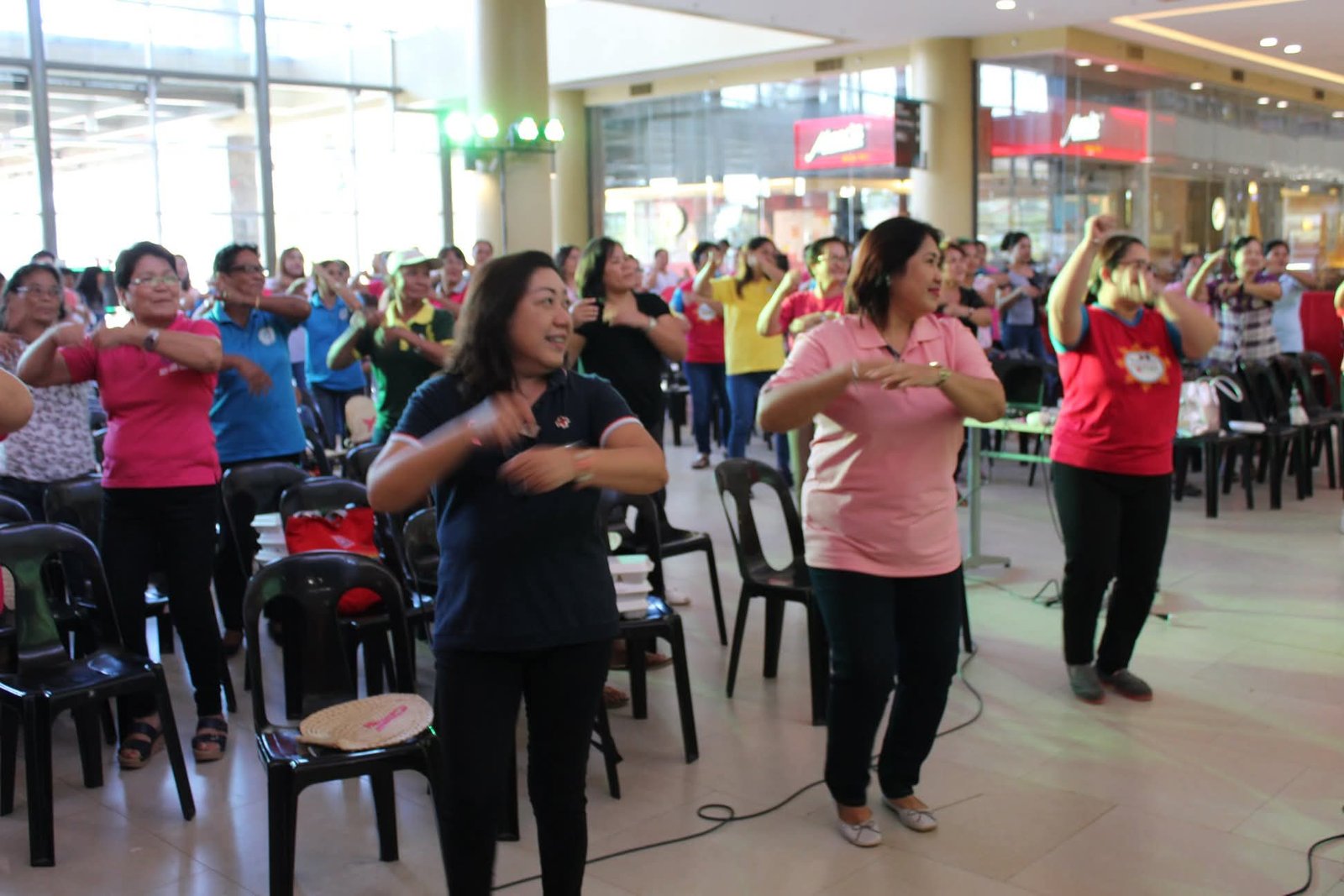
Since 2016, more than 3,000 women have received free checkups and screenings. Mobile health units visit remote areas twice a year.
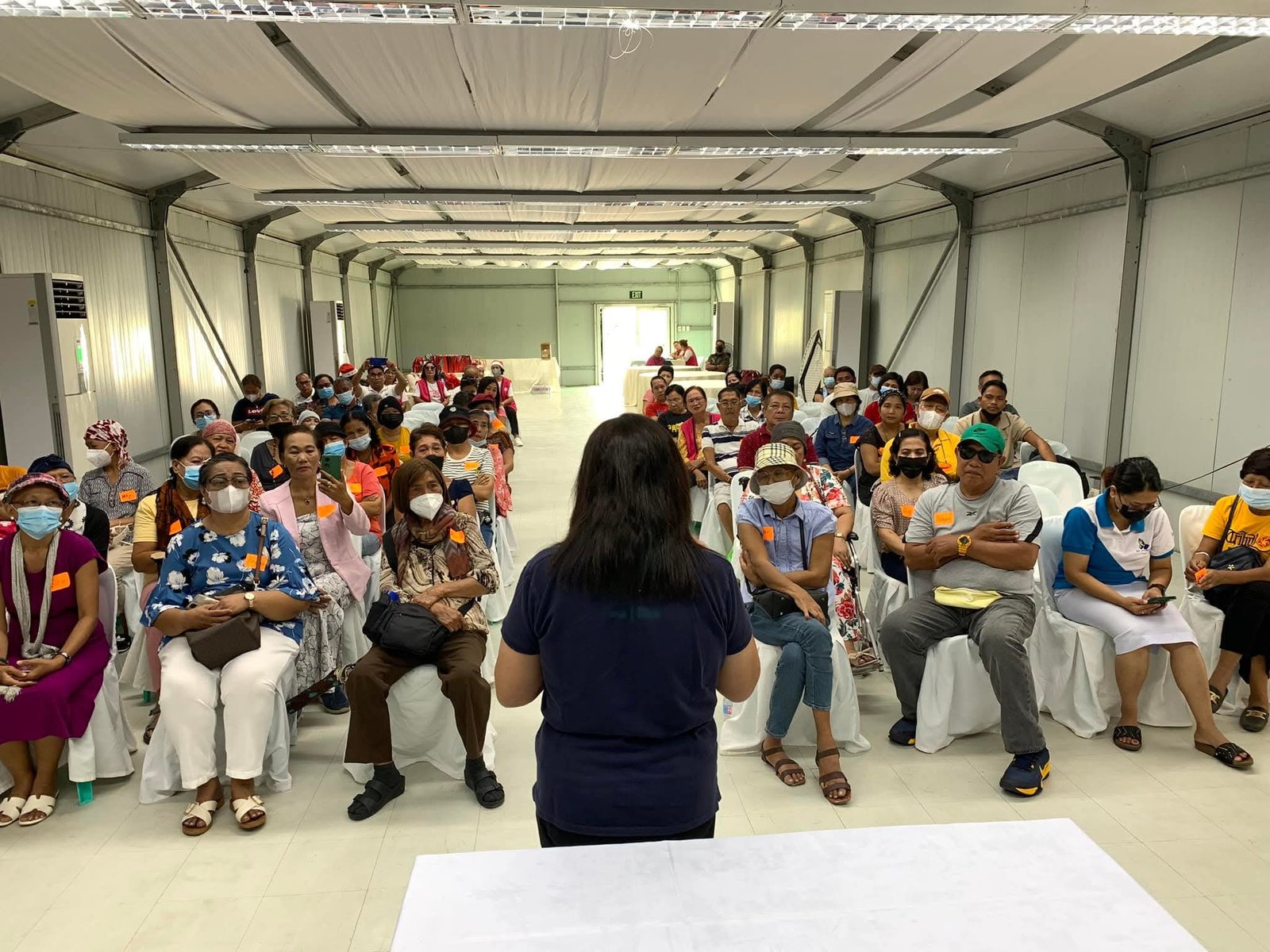
Local women’s groups now act as trained peer educators to sustain awareness efforts.
The Philippine Cancer Society recognized DIBDIBAN as a strong grassroots health model.
The ICanServe Foundation inspired its approach, and the Palawan Medical Society featured it in regional health access reports.
Citation: ICanServe Foundation; Palawan News – Breast Cancer Series; Philippine Cancer Society Bulletin 2023
None of these programs stand alone.
Local groups, women’s cooperatives, and barangay health workers shape every initiative. Legal aid volunteers and youth leaders help push policy and deliver support.
Charitable organizations in the Philippines recognize this model because it’s built on collaboration, not dependence.
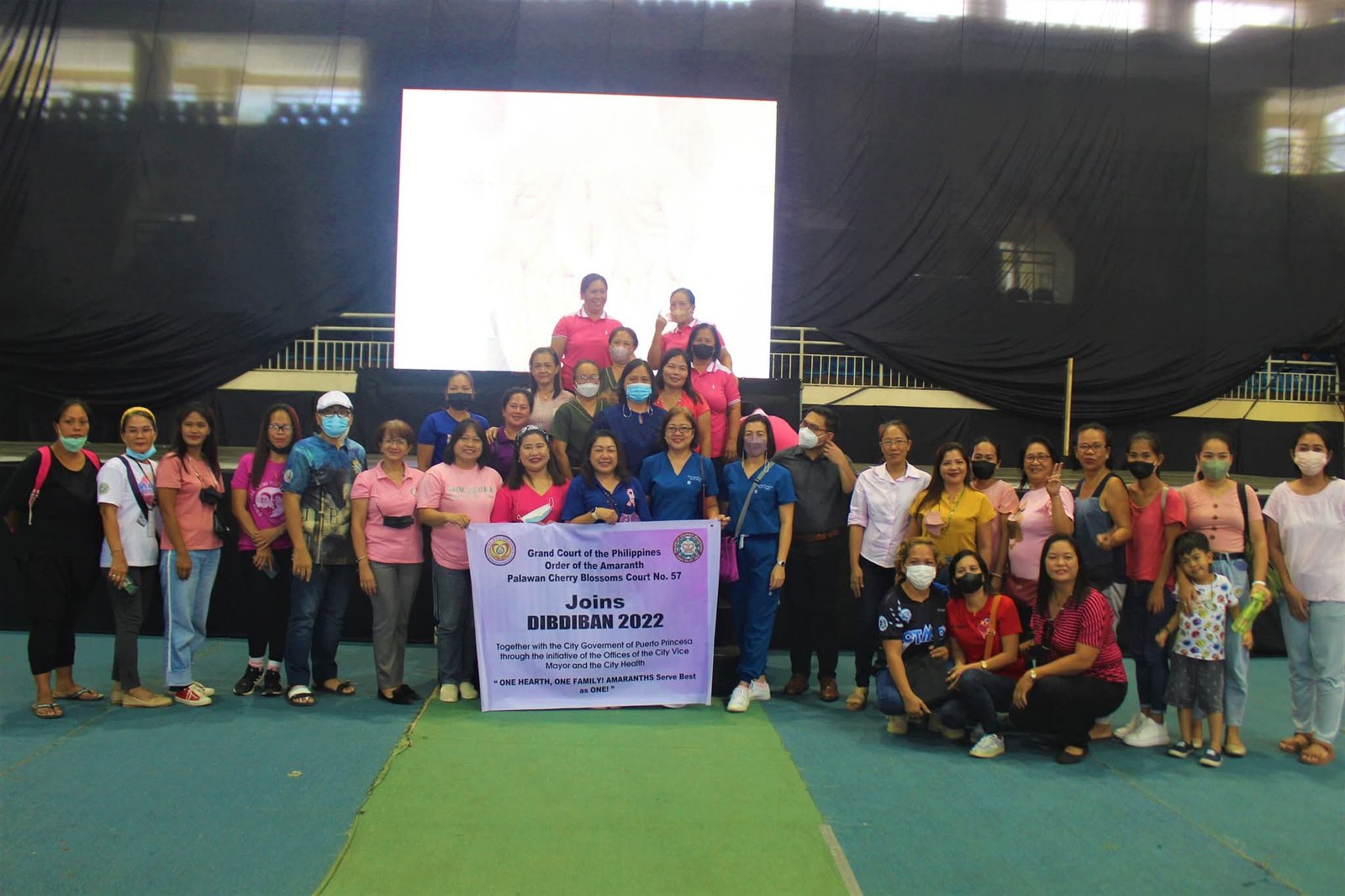
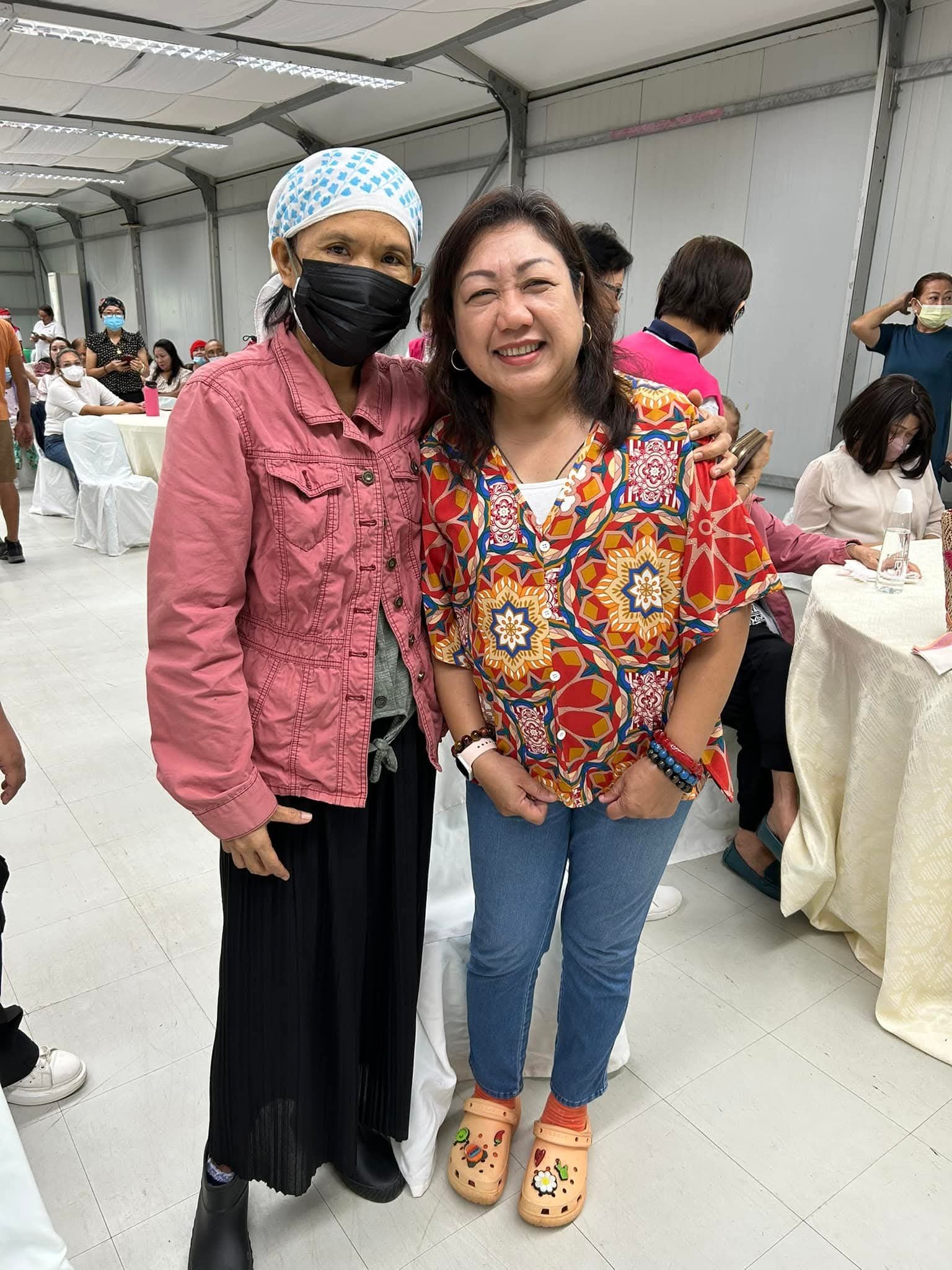
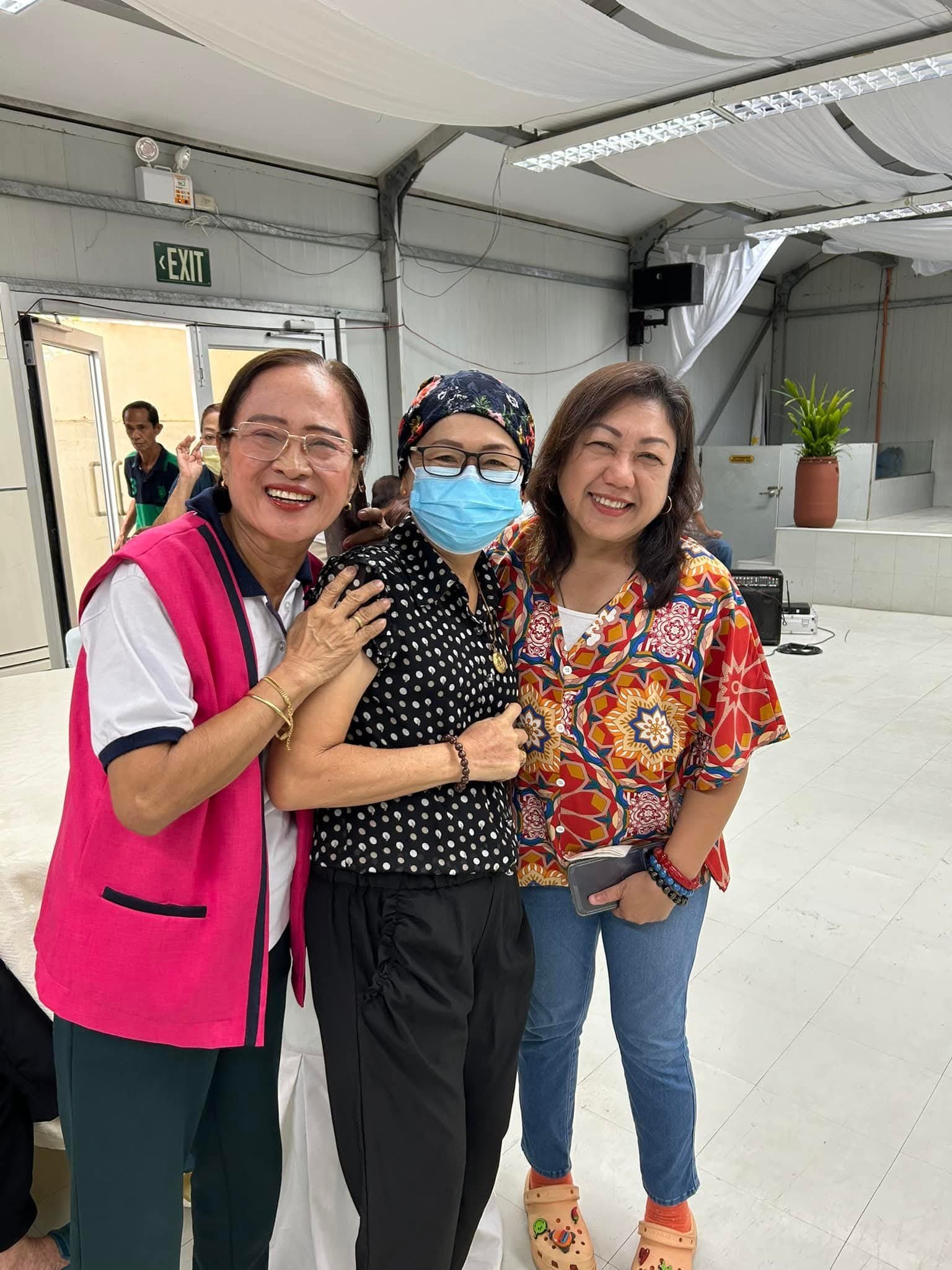
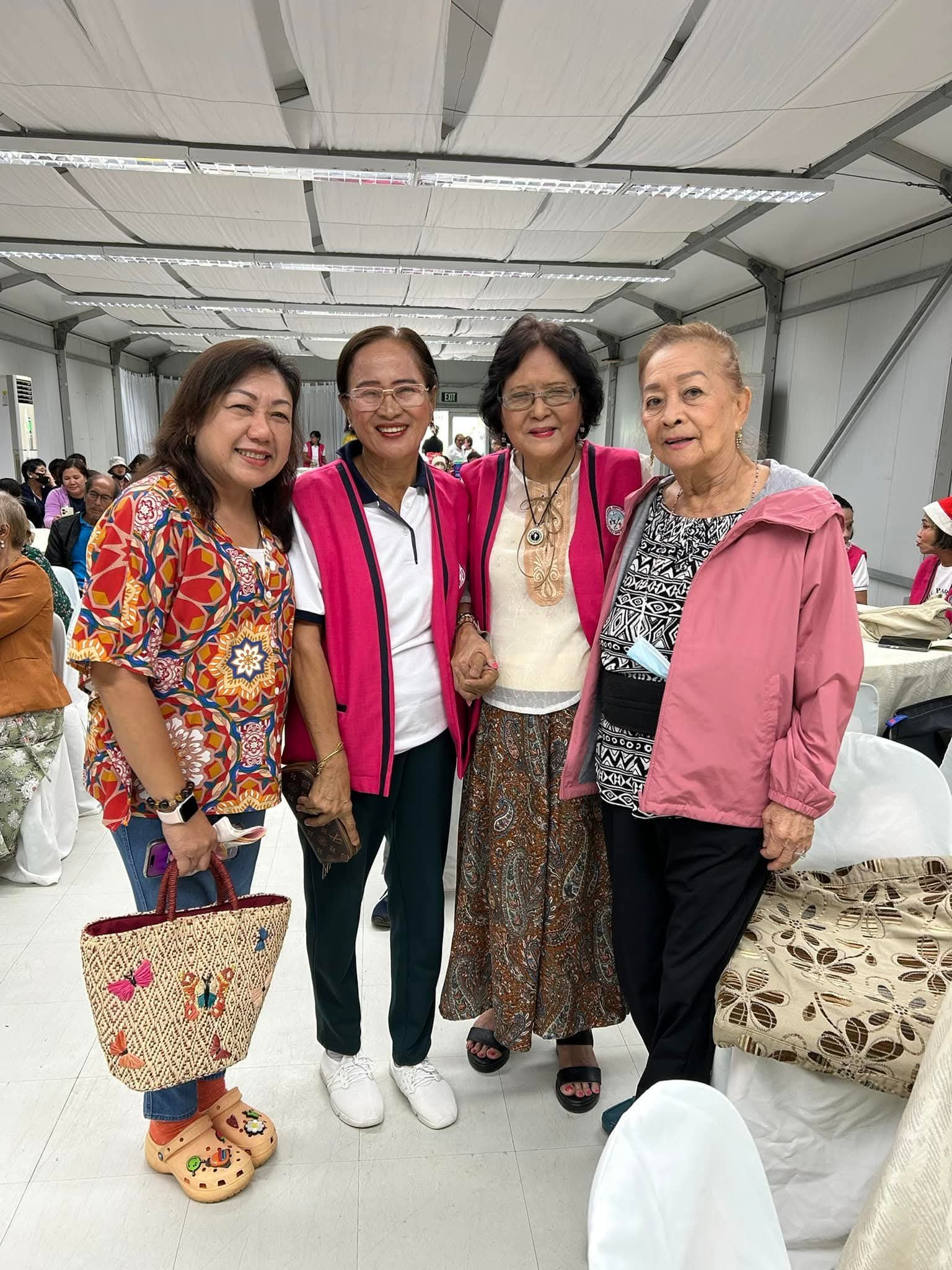
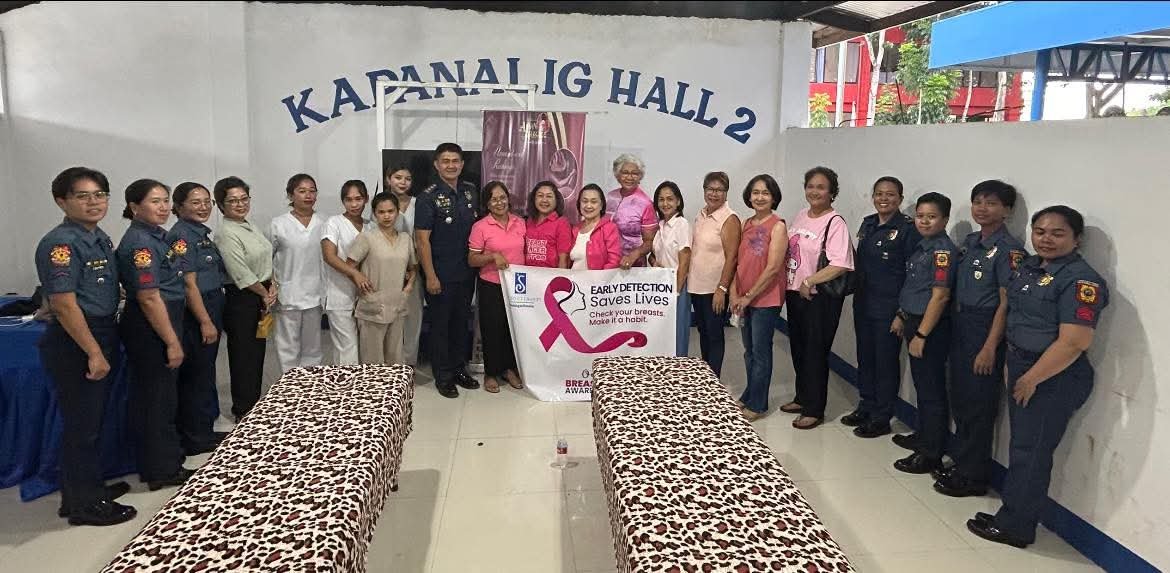
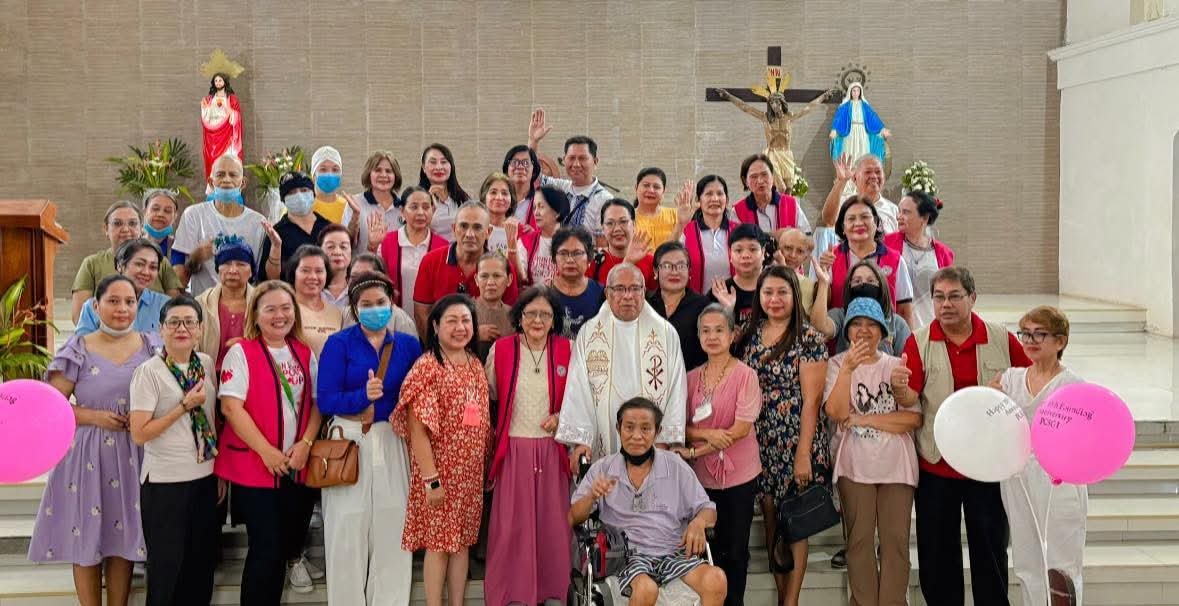
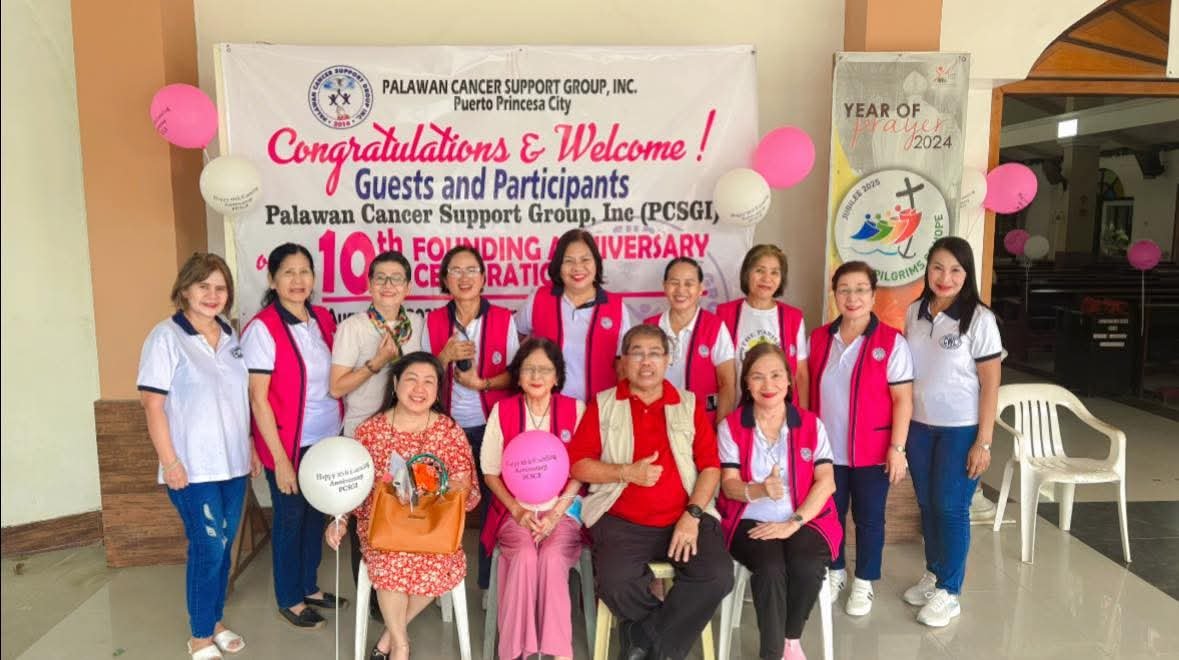
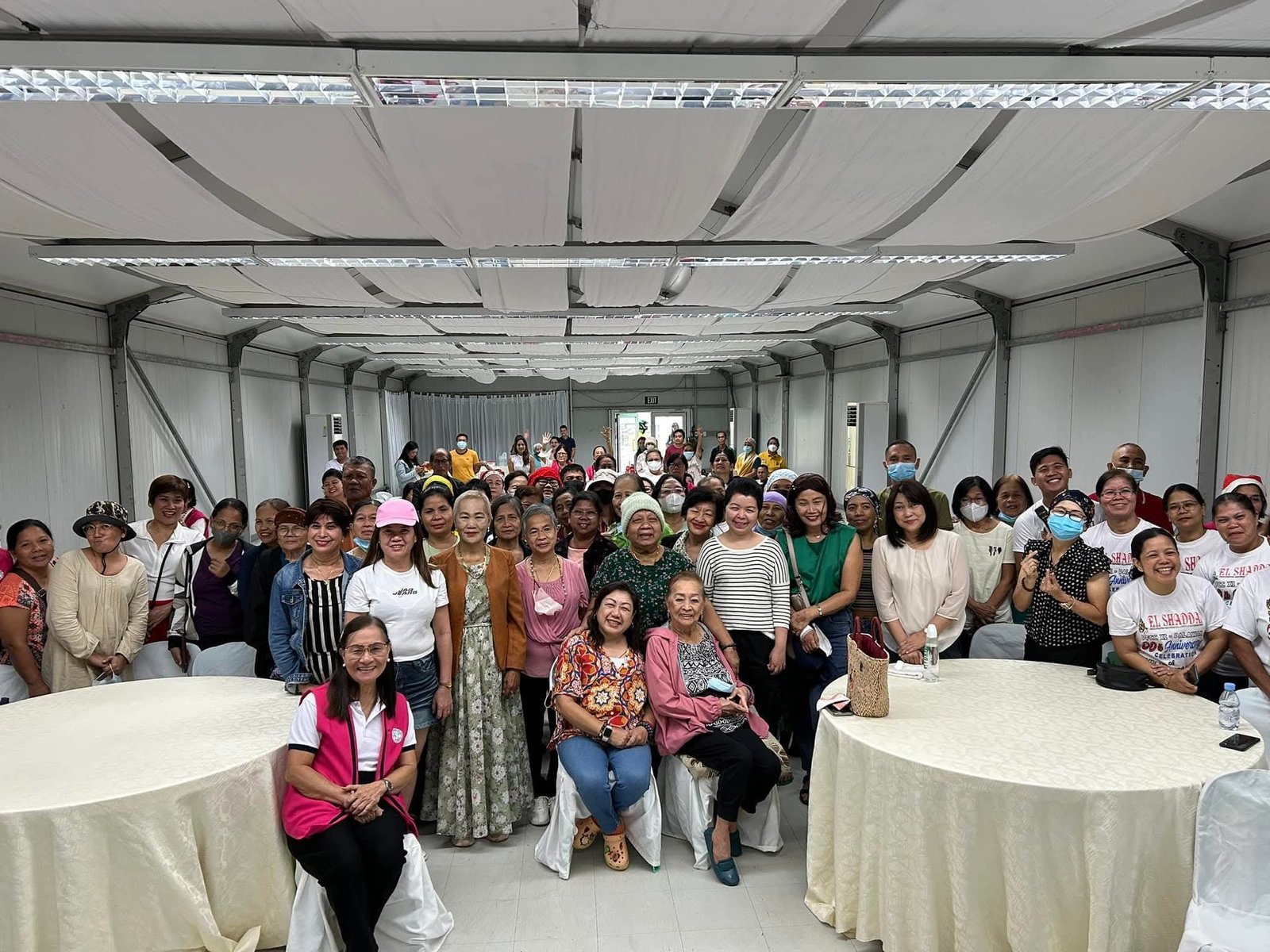
Every program begins with listening, grows through partnerships, and lasts because communities own it.
These aren’t quick fixes. They are locally owned, community-led systems built to last.
If you’re a nonprofit, donor, or organization looking to fight poverty in the Philippines, join a model that already delivers.
Let’s scale what’s already working, together.